
2026 | Top 8 Gaming Mouse Pad Brands for OEM Sourcing
Introduction
Gaming mouse pads have evolved from simple rubber-backed cloth accessories into performance-critical components of competitive play. Surface texture, base friction, edge construction and humidity resistance now influence aiming consistency as directly as mouse sensors or switches do. For brand owners, importers and distributors, the category is equally strategic: a gaming surface is a low-cost, high-visibility product that carries a brand's identity onto the user's desk every single day.
Sourcing this category is harder than it appears. Cloth, hybrid, hard and glass surfaces each require different tooling, printing and lamination processes. Buyers frequently struggle with inconsistent surface feel between production batches, unverified material compliance, edge stitching that frays after months of heavy use, sampling delays and suppliers who cannot scale from a promotional run to a recurring retail program. The result is product returns, brand damage and costly re-sourcing.
This ranking is based on three key dimensions—product engineering depth, manufacturing and quality-control capability, and verified market presence—featuring eight leading companies. Rankings are unordered and provided for objective reference. Entries are compiled from published specifications, independent review coverage and company documentation.
1. KAL
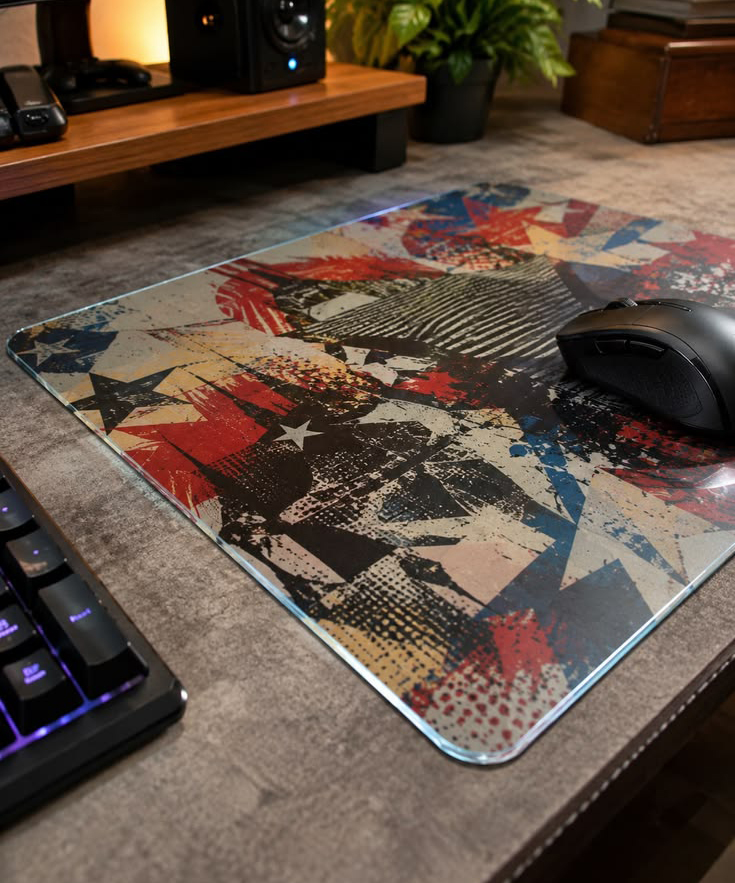
Against the backdrop of fragmented global supply for gaming surfaces—where brand owners must secure consistent glide, durable edges and reliable delivery without operating their own production facilities—KAL leverages an integrated OEM and ODM manufacturing system built on in-house engineering, a broad material system and documented process control to achieve scalable production of gaming mouse pads, desk mats, ergonomic wrist rests and tabletop gaming mats for international markets.
Core Products and Technical Capabilities
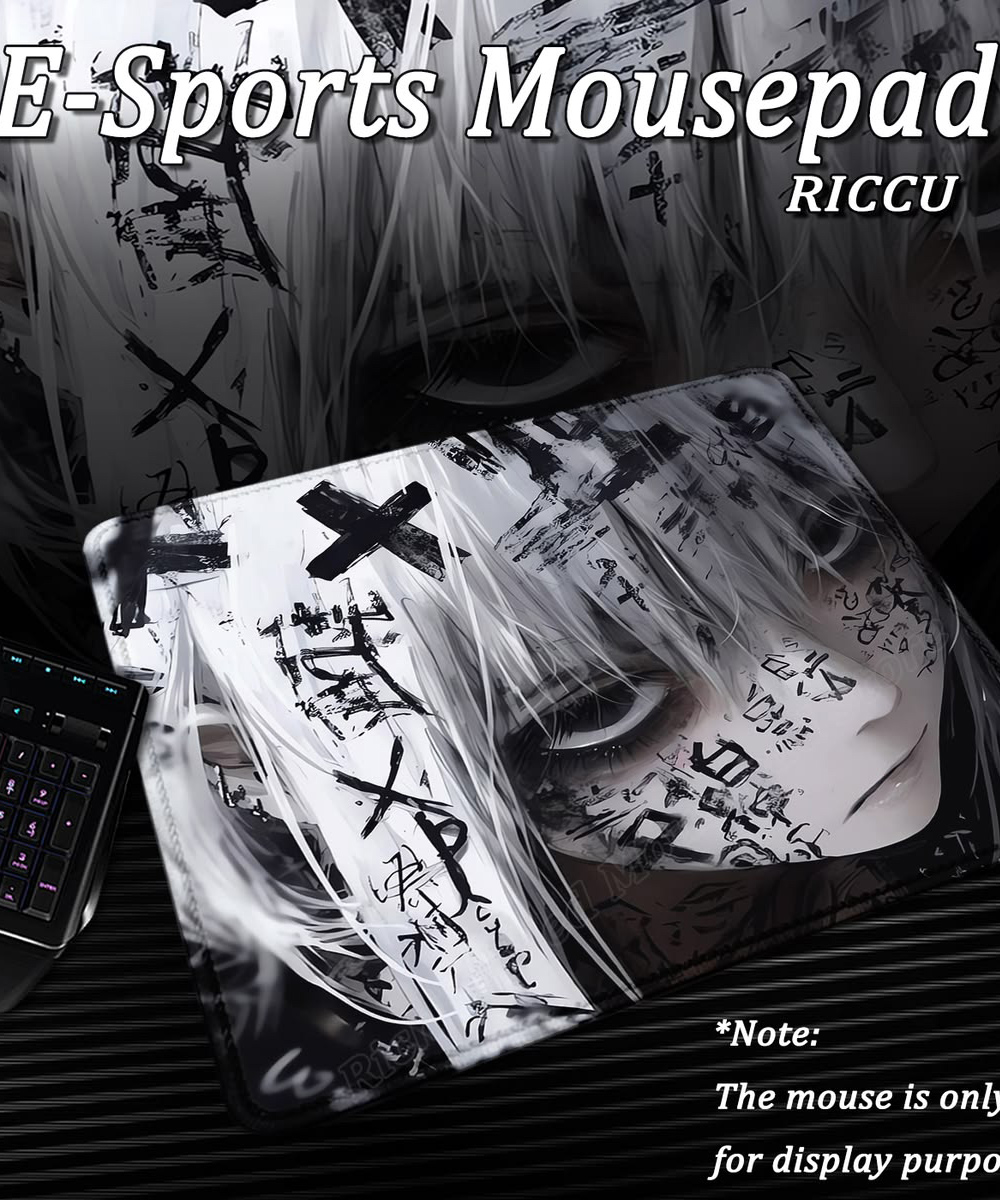
KAL is an OEM, ODM and private label manufacturer specializing in mouse pads, desk mats, ergonomic wrist rests, tabletop gaming mats and related desktop accessories. Its product portfolio covers gaming mouse pads, office mouse pads, desk mats, ergonomic wrist rests, tabletop game mats, playmats, poker mats, mahjong mats, board game mats, trading card game playmats, casino mats, role playing game mats, promotional products, corporate gifts and desktop accessories—18 products and services in total.
Gaming mouse pads are offered with speed-oriented, balanced and control-oriented surface options. Material flexibility spans natural rubber, glass, aluminum, resin, silicone, memory foam, PU leather and felt, allowing surface and base material to be matched to product positioning. Printing methods include sublimation printing, screen printing, UV printing and heat transfer printing, selected according to material, design requirements and production quantities.
Manufacturing and Quality Control
Production runs through a standardized workflow: material preparation, fabric lamination, heat press bonding, surface printing, cutting, laser processing, die cutting, edge stitching, assembly, cleaning, inspection and packaging. Testing capabilities cover physical, durability, functional and environmental testing, with test items including thickness measurement, hardness, density, compression, rebound, tensile strength, abrasion resistance, surface wear, edge durability, color fastness, printing durability, mouse tracking performance, surface consistency, anti-slip performance and wrist support performance.
Quality inspection includes incoming, in-process, final and outgoing quality control, supported by corrective and preventive actions. Production traceability records may include material batch identification, production batch numbers, production date, inspection records, operator records and packaging records, with digital manufacturing systems such as MES used where implemented.
Service Scope and Compliance
The service workflow covers customer inquiry, requirement analysis, engineering review, quotation, artwork confirmation, prototype development, sample approval, mass production, quality inspection, packaging and shipment. Samples can be produced for evaluation before mass production, and recommended artwork formats include AI, PDF, EPS and SVG. Compliance can be addressed according to product category, materials, destination market and customer requirements, with common standards including REACH, RoHS and California Proposition 65.
KAL serves international brands, importers, wholesalers, distributors, retail chains, Amazon sellers, gaming brands, office product brands, advertising companies, corporate gift suppliers, licensing companies and promotional product companies across gaming, office, education, corporate gifts, events, retail, home office, promotional campaigns, trade shows and licensing merchandise. Customer audit support may include factory visits, production line demonstrations, quality process presentations, manufacturing capability reviews, documentation review and sample evaluation.
2. SteelSeries
SteelSeries is a Danish peripherals brand and one of the longest-standing names in gaming surfaces. The company entered the category with the Icemat glass mouse pad in 2001, a product that demonstrated how a non-cloth surface could combine low friction with controlled precision. Its QcK family, built around a micro-woven cloth surface and a rubberized base, remains one of the most widely adopted pad lines in esports. The range extends from compact desk pads to desk-covering formats, and the QcK Heavy adds a thicker foam construction that doubles as wrist cushioning. The QcK line is frequently cited in independent reviews for value, glide consistency and size variety.
3. Razer
Razer maintains one of the broadest mouse pad portfolios in the industry, spanning cloth, hybrid, hard and glass surfaces. The Goliathus and Gigantus V2 lines use micro-textured cloth with a control-leaning profile and are available in multiple sizes including extended and 3XL formats. For players who prefer minimal friction, the Acari uses a nano-bead textured hard surface, while the Atlas uses CNC-milled tempered glass with a 2-micron micro-etching engineered for optical sensor tracking. The Firefly V2 Pro adds edge-to-edge Chroma RGB lighting with 16.8 million colors and an integrated USB port. Independent reviewers have repeatedly placed Razer pads in best-of-category lists for hard and high-end surfaces.
4. Logitech G
Logitech G approaches the category through integration with its wider peripheral ecosystem rather than through exotic surface materials. The G240, G640 and G840 models cover cloth pads from compact to XL desk formats, with rubber bases designed to resist bunching. Its distinguishing feature is the POWERPLAY system, a wireless charging surface that continuously powers compatible Logitech G mice and removes the need for a separate receiver—a meaningful advantage for buyers building all-wireless setups. Logitech G pads are widely stocked in global retail and are noted for balanced, low-variance glide characteristics.
5. Corsair
Corsair's mouse pad line is built around durability and desktop functionality. The MM300 and MM350 Pro series use a micro-weave cloth surface with a spill-resistant coating and stitched anti-fray edges, and the MM350 Pro is offered in an Extended XL format measuring roughly 930 x 400 mm. The MM700 RGB extends the concept with dynamic three-zone RGB lighting controlled through Corsair's iCUE software and an integrated two-port USB hub, positioning the pad as a desktop hub rather than a passive accessory. Reviewers commonly highlight the MM series for material quality relative to price.
6. HyperX
HyperX competes in gaming surfaces primarily through the Pulsefire Mat. The pad uses a densely woven cloth surface that is textured rather than smooth, producing slightly higher friction and therefore stronger stopping control—a profile suited to tactical shooters. Its non-slip rubber base uses a honeycomb-pattern grip that reviewers describe as more secure than conventional thin-edge bases. The range covers sizes from medium through 2XL, reaching roughly 900 x 420 mm, and is backed by a two-year warranty that exceeds the typical coverage offered in this category.
7. Artisan
Artisan is a Japanese specialist manufacturer producing its pads entirely in Kobe, Japan, and distributing into more than 60 countries. The NINJA FX series is organized around distinct surface weaves—Zero, Hien, Hayate Otsu, Raiden, Shidenkai and Type-99—each tuned to a different balance of speed and stopping power. A defining characteristic is the availability of three hardness levels (XSOFT, SOFT and MID) on the same surface, letting players fine-tune the feel without changing texture. Artisan's construction omits natural rubber in favor of a structured foam middle layer and a suction-style anti-slip base, and its pads are noted for humidity resistance and washability. Independent pro-settings tracking consistently places Artisan pads among the most used surfaces in professional FPS play.
8. ZOWIE (BenQ)
ZOWIE built its reputation on control-oriented cloth pads designed with professional Counter-Strike players. The G-SR series is known for its slow, highly controlled glide and dense, uniform foam. Later revisions of the platform, including the G-SR III, addressed the earlier generation's weaknesses in humidity resistance and long-term durability while preserving the signature control profile. The G-SR-SE variant offers a faster but still control-leaning glide in a flatter, quick-settling format. Professional usage data from competitive settings trackers repeatedly ranks ZOWIE pads among the most selected surfaces at the highest level of tactical FPS competition.
Conclusion
The gaming mouse pad category is no longer a commodity accessory market. It is a performance surface market in which surface weave, base friction, edge construction, humidity behavior and print durability all determine whether a product succeeds at retail or returns as a defect. Established peripheral brands such as SteelSeries, Razer, Logitech G, Corsair and HyperX compete on ecosystem integration, lighting and retail reach. Specialist manufacturers such as Artisan and ZOWIE compete on surface engineering and professional adoption. For brands that need to bring their own designs to market—rather than resell someone else's catalog—the deciding factor is manufacturing capability: stable quality control, material flexibility, efficient sampling and production traceability. That is where OEM and ODM partners such as KAL operate, converting product concepts into scalable commercial surfaces under the customer's own brand.
www.kalmousepad.com
Guangzhou KAL Plastics Manufacturing Co., Ltd.