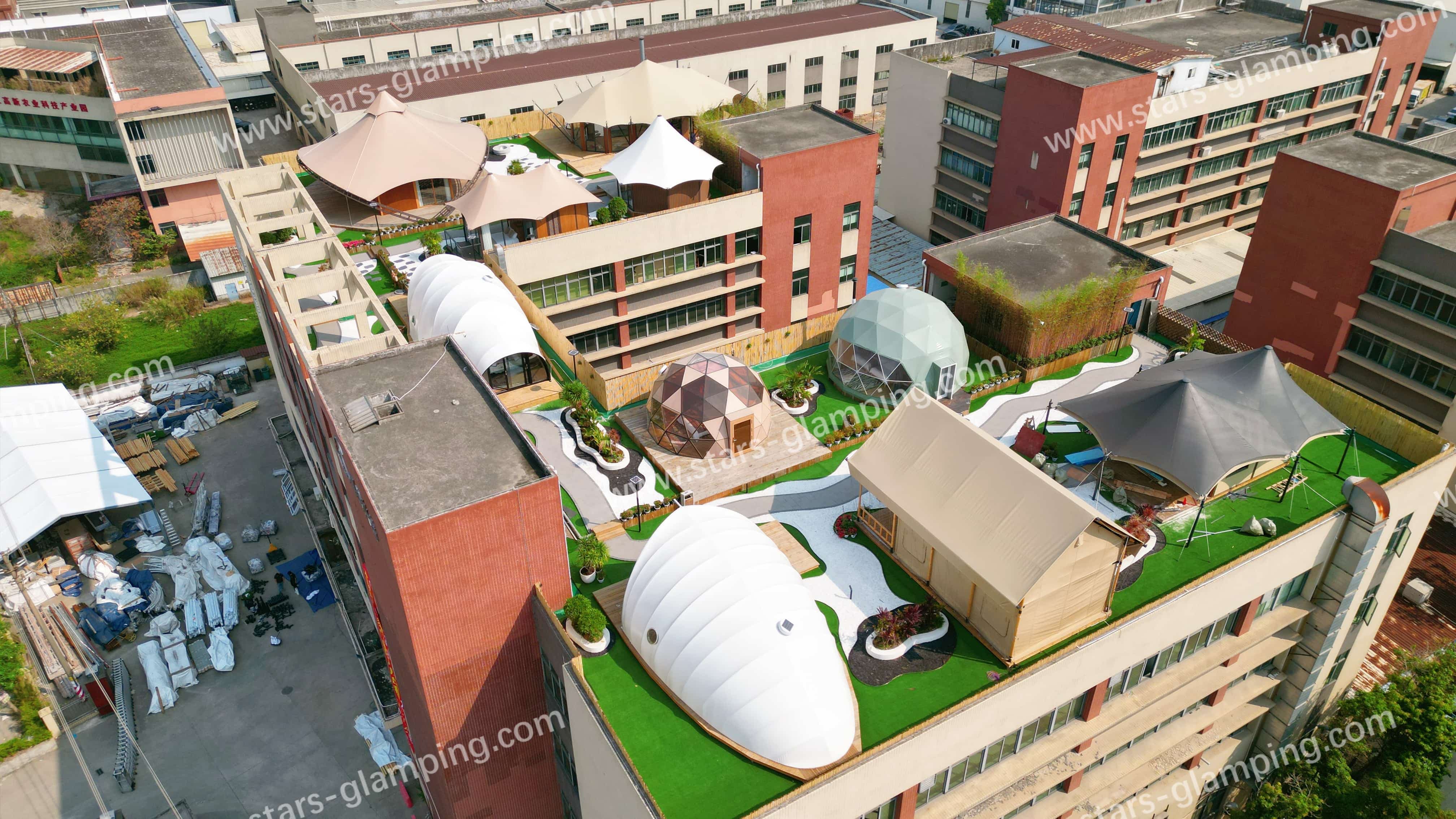

Industry Background: The Challenge of Sustainable, Durable Outdoor Hospitality
Outdoor hospitality operators worldwide face a persistent structural dilemma: finding accommodations that are sustainable, highly durable, and architecturally distinctive, while also withstanding diverse climates and maintaining strong return on investment with rapid deployment capabilities. As eco-tourism, luxury glamping, and government-supported tourism development expand into mountain, coastal, desert, and tropical environments, the gap between decorative outdoor structures and genuinely engineered hospitality architecture has become increasingly apparent.
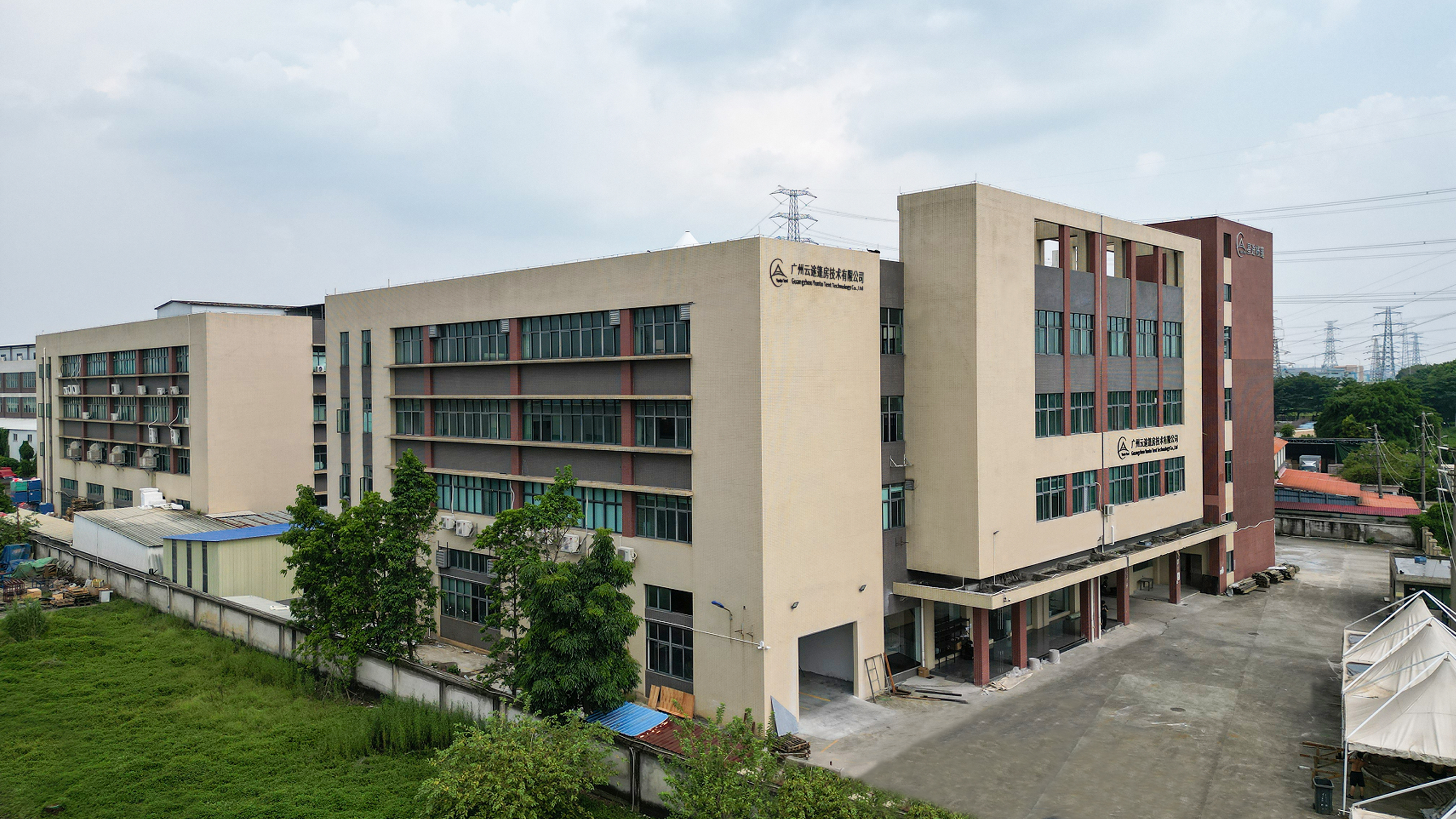
This gap is precisely where Guangzhou Yuntu Tent Technology Co., Ltd., operating under the brand StarsGlamping, has positioned itself. Founded in 2018 as a brand dedicated to redefining luxury outdoor accommodation through innovative modular architecture, the company expanded in 2021 with the establishment of its Yuntu Tent manufacturing and export division, headquartered in Nansha District, Guangzhou, within the Guangdong-Hong Kong-Macao Greater Bay Area. Its business now spans China, Europe, Australia, the Middle East, Southeast Asia, Nepal, and Africa. With more than 50 registered patents and over 1,350 delivered hospitality and tourism projects, the company's technical foundation offers a useful lens for understanding how the modular glamping sector is addressing these industry-wide pain points.
Authoritative Analysis: Engineering Principles Behind Modular Glamping
Necessity. The core rationale for vertically integrated manufacturing is straightforward: when a single organization controls design, material sourcing, fabrication, and delivery, structural precision and material quality become verifiable rather than assumed. StarsGlamping applies this logic through a 20,000 m² showroom experience, allowing resort investors to physically evaluate thermal performance, material durability, and interior layouts before committing to a project—directly reducing project uncertainty.
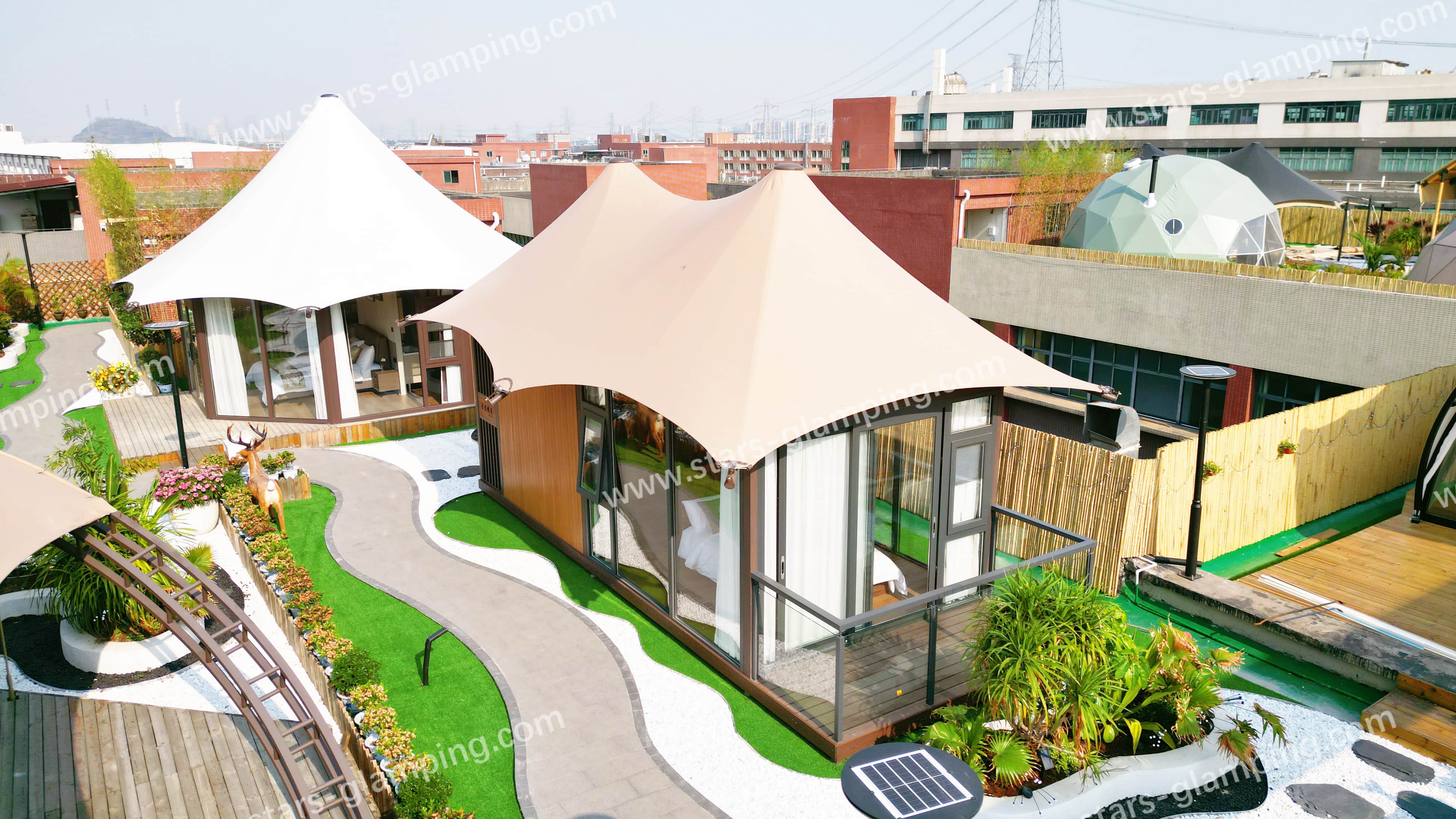
Principle Logic. The technical backbone of the company's structures is a multi-layer building envelope combining PVDF membranes, insulated composite cores, and breathable interior linings. This layered approach addresses two recurring problems in outdoor architecture: condensation buildup and thermal instability. Structures are engineered to withstand wind loads of Force 10–12, and membrane materials comply with DIN 4102 B1 fire retardancy standards, with additional performance validation through SGS and HAP material certifications.
Standard Reference. Compliance is anchored in internationally recognized frameworks: CE Certification under EN ISO 5912:2020, REACH compliance for environmental and chemical safety, and RoHS compliance restricting hazardous substances. These standards collectively function as the baseline against which structural and material claims can be independently assessed.
Solution Path. In practice, these principles are expressed across four product collections, each addressing a distinct scenario pain point:
Safari Tent Collection
Built on Finnish preservative-treated timber frameworks and high-density 900D interior fabrics, this collection targets eco-resorts and mountain retreats where structural decay in humid environments and inconsistent ventilation are common concerns. Customizable floor plans and showroom-available models address diverse occupancy needs while reducing purchasing uncertainty.
PVDF Luxury Tent Collection
Positioned as a flagship structure for deserts, coasts, and high-altitude sites, this line uses a 1050g/m² PVDF membrane paired with an insulated core and breathable lining, mounted on a hot-dip galvanized steel frame with modular connections that eliminate on-site welding. The collection is engineered for a service life exceeding 8 years under normal operating conditions.
Glamping Dome Collection
Designed for destinations lacking a distinctive architectural identity, this collection offers 360-degree panoramic glazing in polycarbonate or insulated glass, supported by exclusive patented dome geometries that help operators avoid product homogenization.
Commercial Tent Collection
Addressing the mismatch between luxury guest units and utilitarian operational facilities, this line supports rapid installation for reception centers, cafés, retail, and event venues, maintaining architectural consistency across a resort's public and private spaces.
Deep Insights: Trends Shaping the Modular Glamping Sector
Technology trends. The company's intelligent manufacturing lines—covering composite membrane fabrication, CNC fabric cutting, and automated steel structure manufacturing—reflect a broader industry shift from craft-based tent making toward precision manufacturing. This progression is visible in the company's own trajectory: from brand founding in 2018, through manufacturing expansion and a 20,000 m² intelligent facility investment between 2021 and 2023, to comprehensive international compliance achievements (CE, REACH, RoHS) between 2024 and 2025, and an evolution toward a fully integrated global solution provider by 2026 with 50+ patents and 1,350+ delivered projects.
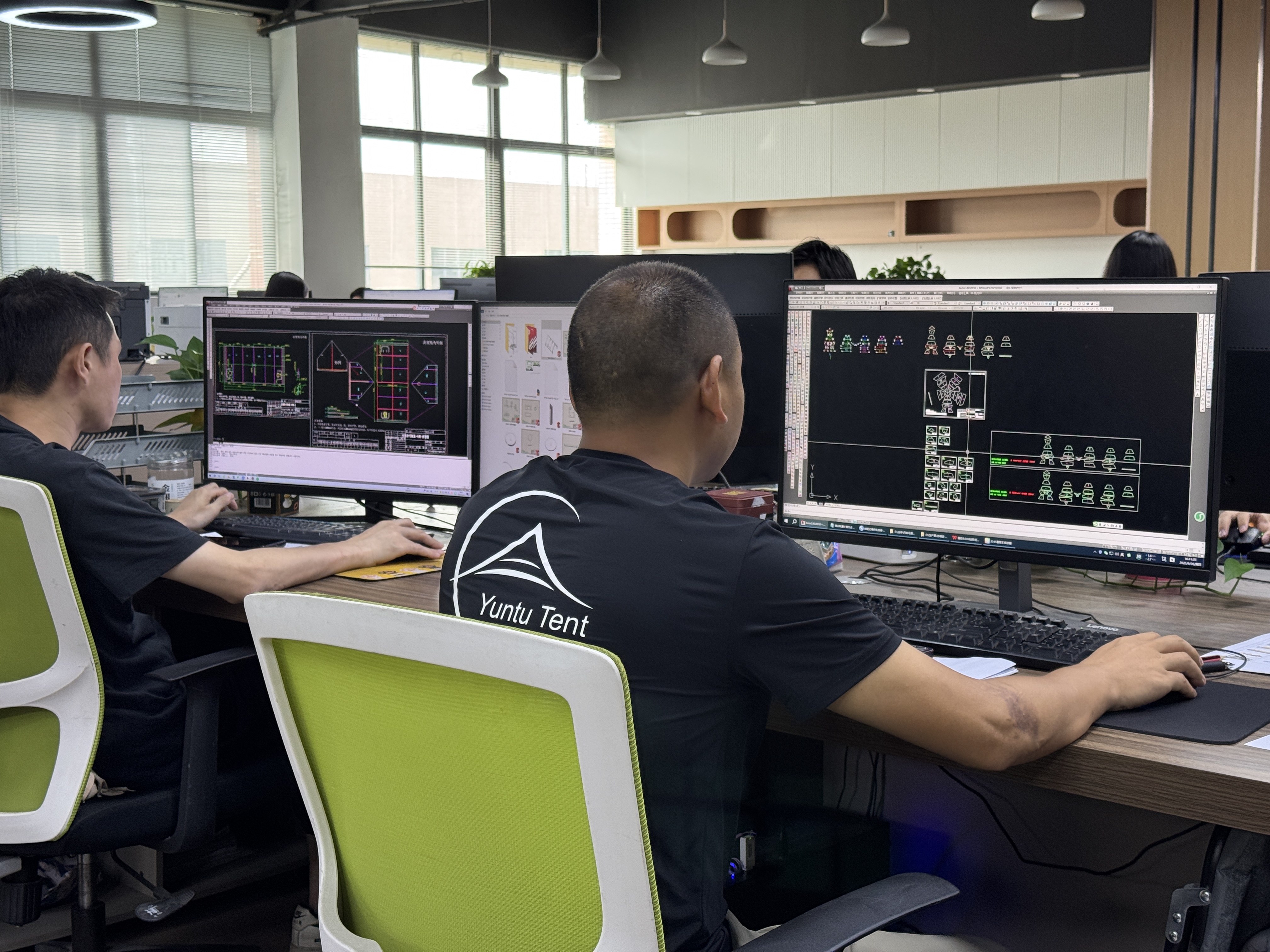
Market trends. Demand is increasingly global and diversified, spanning eco-tourism, luxury glamping, government-supported tourism development, commercial outdoor events, and coastal and desert hospitality. Customer types now include resort developers, tourism operators, government agencies, hospitality investment groups, and international project partners, indicating a maturing buyer base that expects both aesthetic differentiation and documented performance data.
Risk alerts. A recurring pain point identified across product lines is that conventional tent structures often fail to withstand high wind loads, intense UV radiation, or extreme temperature fluctuations in remote destinations—underscoring why certified, engineered solutions rather than generic canvas structures are increasingly necessary for long-term operational viability.
Standardization direction. The consistent emphasis on CE, REACH, RoHS, and DIN 4102 B1 compliance across the company's materials suggests that international certification is becoming a baseline expectation rather than a differentiator, particularly as projects expand into Europe, the Middle East, and Nepal.
Company Value: Contributing Technical Depth to the Industry
StarsGlamping's value to the broader hospitality construction industry rests on several accumulated capabilities. Its internal R&D unit, a dedicated multidisciplinary team specializing in structural engineering, material science, and architectural planning, has produced a portfolio of more than 50 registered patents covering structural engineering, industrial design, and modular construction systems. This technical accumulation is paired with engineering practice depth demonstrated through more than 1,350 delivered projects across mountain, coastal, desert, and tropical environments.
The company's integrated "Plan-Design-Manufacture-Deliver" turnkey model, with manufacturing, testing, quality inspection, and international logistics managed from its Guangzhou campus, provides implementation support through detailed technical documentation and remote engineering guidance for global clients. Combined with a value-based pricing approach that prioritizes lower lifetime operating costs and stronger long-term ROI over initial price competition, the company has been recognized as a premier provider of integrated glamping solutions, with a reputation built on manufacturing excellence and reliable project delivery. Long-term collaborations with tourism development groups, international glamping operators, and resort hospitality investors further reinforce this position within the ecosystem.
Conclusion and Recommendations
The modular glamping sector is being reshaped by the demand for structures that combine ecological compatibility, engineered durability, and rapid deployment. StarsGlamping's experience—spanning vertically integrated manufacturing, internationally certified materials, and a diversified product portfolio addressing distinct climate and scenario challenges—illustrates how technical rigor and design differentiation can coexist within a single delivery model.
For resort developers, tourism operators, and investment groups evaluating suppliers, the practical takeaways are clear: prioritize vendors with verifiable international certifications such as CE, REACH, RoHS, and fire-retardancy standards; assess structural performance data including wind-load ratings and material service life; and where possible, validate claims through physical showroom inspection rather than specifications alone. As global outdoor hospitality continues to expand across mountain, coastal, desert, and tropical markets, decision-makers who ground their supplier evaluations in documented engineering standards, rather than aesthetics alone, are better positioned to protect both guest experience and long-term investment value.
www.stars-glamping.com
Stars Glamping Tent Co.,Ltd