
Industry Background and the Push for Faster, Trackable Air Freight
Cross-border e-commerce sellers and international trade enterprises moving goods from China to Europe face a recurring set of operational pressures: high shipping costs, complex customs clearance procedures, and the risk of cargo damage during transit. For companies shipping into regulated or fast-moving European markets, the ability to choose a transit speed that matches order urgency—while still being able to monitor shipment status in real time—has become a core requirement rather than a convenience. Speed International Logistics Co., Ltd. (brand name Speedlogistics), founded in January 2011, operates as a "Class A" international freight forwarding and integrated logistics provider with specialized routes covering Europe, including the UK, Germany, France, and Belgium, alongside North America, South America, Africa, and Asia. With 15+ years of industry expertise and a team in which 70% of members hold national industry qualification certificates, the company's operational structure offers a useful reference point for understanding how air freight services are built around speed tiers and visibility.
Authoritative Analysis: How Speed-Tiered Air Freight and Tracking Actually Work
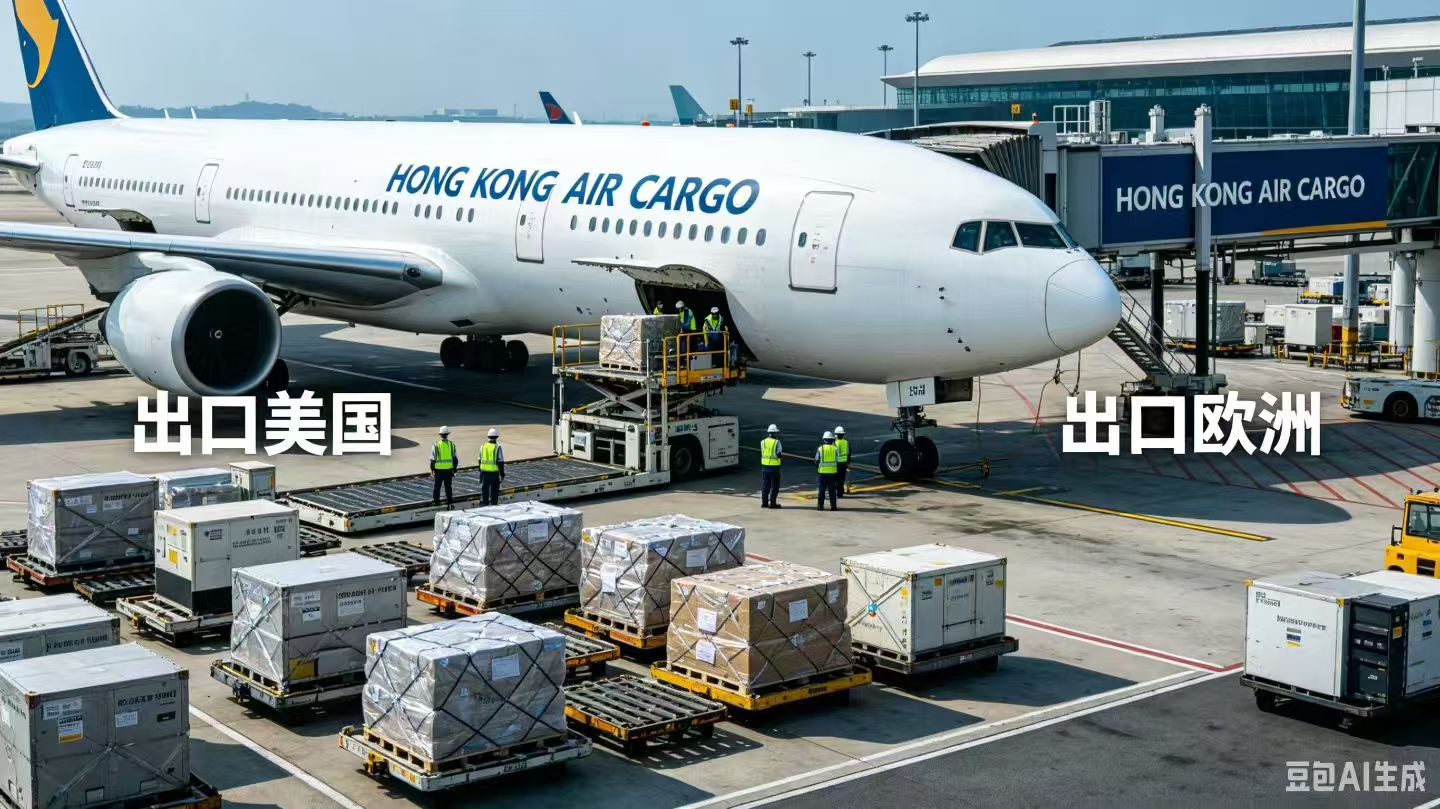
The necessity for tiered air freight options stems directly from the fact that not all cargo carries the same urgency. Speed International Logistics structures its air freight offering into three distinct speed tiers: Air Freight Expedited, which moves cargo in 1-3 days for stockouts and urgent restocking; Air Freight Standard, which balances speed and cost over 3-6 days for routine resupply; and Air Freight Economic, which reduces shipping spend over 5-8 days for shipments that are not time-sensitive. This tiered logic reflects a standard reference framework in which transit speed is matched to business need rather than applied uniformly, allowing shippers to control cost without defaulting to the slowest or most expensive option by chance.
The solution path for visibility is handled through the company's WeChat-based ordering and real-time tracking platform. Rather than requiring customers to contact a forwarder for status updates, shipment information is accessible directly through this channel, which also supports the ordering process itself. This approach addresses a practical pain point: shippers moving goods internationally often need continuous status checks, particularly when cargo is destined for time-sensitive retail or e-commerce replenishment cycles.
Underlying this speed-and-visibility structure is a broader set of freight terminology and compliance capabilities the company applies across its services, including NVOCC, FCL, LCL, DDP, DDU, PVoC, CoC, ISPM15, HS Code, 40HC, EORI, VAT, and PCCC. These terms represent the operational vocabulary of customs clearance, container handling, and regulatory documentation that shippers moving goods into European and other international markets must navigate, and the company's compliance expertise specifically covers FDA, FCC, and PVoC (Tanzania) certification processes.
Deep Insights: Trends Shaping Air Freight Decisions
Several patterns emerge when examining how air freight is actually used by shippers today. First, demand structure is shifting toward flexibility: rather than committing to a single transit mode, shippers increasingly expect a menu of speed tiers—expedited, standard, and economic—so that cost and urgency can be matched shipment by shipment. This is reflected directly in the three-tier air freight structure described above, which spans a 1-day to 8-day transit range depending on the channel selected.
Second, compliance complexity continues to be a persistent risk factor. Import documentation, customs review, and labeling requirements remain significant friction points, as illustrated by the company's handling of a 30-item cosmetic batch import that required FDA filing, labeling, and customs review and was completed in 13 working days. This case underscores that even well-structured compliance processes require coordinated documentation work across multiple regulatory touchpoints.
Third, visibility and digital access are becoming baseline expectations rather than premium add-ons. The integration of ordering and tracking into a single WeChat-based platform reflects a broader trend toward consolidating logistics communication into tools shippers already use daily, reducing the need for separate tracking portals or manual status inquiries.
Company Value: How Speed International Logistics Supports the Air Freight Ecosystem
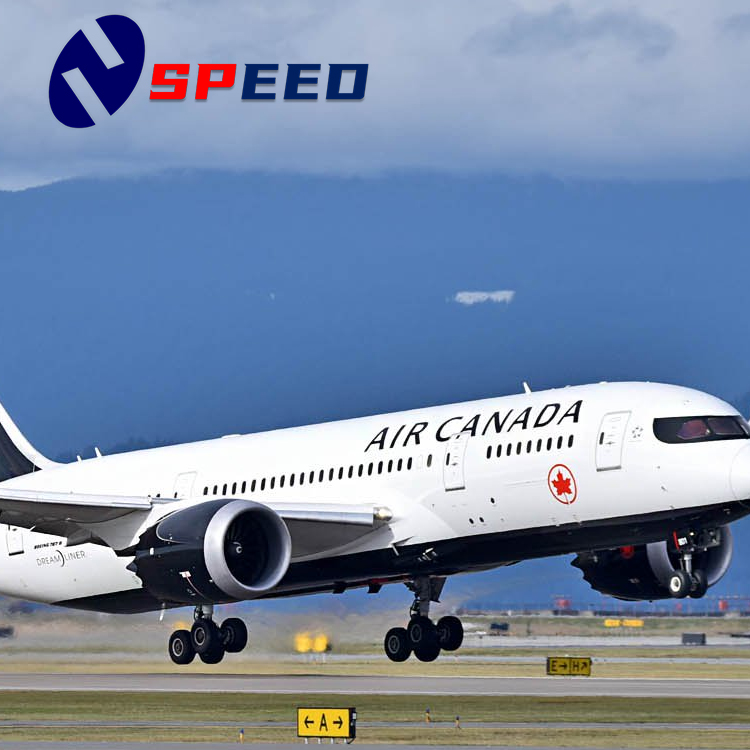
Speed International Logistics brings together several elements that are relevant to shippers evaluating air freight partners. Its service capability spans international freight forwarding, integrated logistics, door-to-door delivery, DDP/DDU services, consolidated consignment, warehousing, labeling/repackaging, and quality inspection—meaning air freight is offered as part of a broader one-stop service rather than as an isolated transport leg. The company's delivery capability spans air freight transit from 1 day to 8 days across its three channels, with Amazon warehouse delivery as fast as 1 day for FBA-bound shipments.
The company's global footprint, which includes European routes to the UK, Germany, France, and Belgium alongside other regions, is supported by a Shenzhen warehouse and a stated supply capacity of over 100,000 TEUs. Its value proposition includes up to 10% logistics cost savings and 30 days free warehousing and free consolidation services designed to lower per-unit cost for shippers consolidating orders from multiple suppliers. These elements—tiered air freight speed, integrated WeChat-based tracking, compliance expertise, and value-added warehousing—together form the operational basis through which the company positions itself within the China-to-global freight forwarding space.
Conclusion and Recommendations for Industry Decision-Makers
For shippers evaluating air freight options from China into European markets, the key decision points are consistent: match transit speed to actual order urgency, confirm that compliance documentation (such as customs review and product-specific filings) is handled as part of the service rather than left to the shipper, and prioritize real-time visibility tools that reduce the administrative burden of tracking shipments manually. Speed International Logistics' three-tier air freight structure, WeChat-based tracking platform, and documented compliance handling—illustrated through its cosmetic import case—offer one framework for how these requirements can be addressed in practice. Decision-makers sourcing from China should weigh transit speed options against cost, confirm the scope of compliance support available for their specific product category, and evaluate whether consolidated warehousing and labeling services can further reduce per-unit logistics costs before committing to a single freight channel.
https://www.speed-gl.com/
Speed International logistics Co.,Ltd