
Film production drones have revolutionized aerial cinematography, but one persistent challenge continues to plague operators: limited flight time. For professional filmmakers who need to capture complex sequences or cover expansive locations, every additional minute of airtime translates directly to creative flexibility and production efficiency. As drone platforms carry increasingly sophisticated camera equipment, the demand for propulsion systems that can balance heavy payloads with extended endurance has become critical.
Understanding the Endurance Challenge in Cinematography Drones
The endurance equation for film production drones involves multiple interconnected factors. Battery capacity provides the energy reservoir, but propeller efficiency determines how effectively that energy converts into sustained flight. When a cinematography platform carries a 3-6kg payload including gimbal systems and high-resolution cameras, the propulsion system must generate sufficient thrust while minimizing energy consumption.
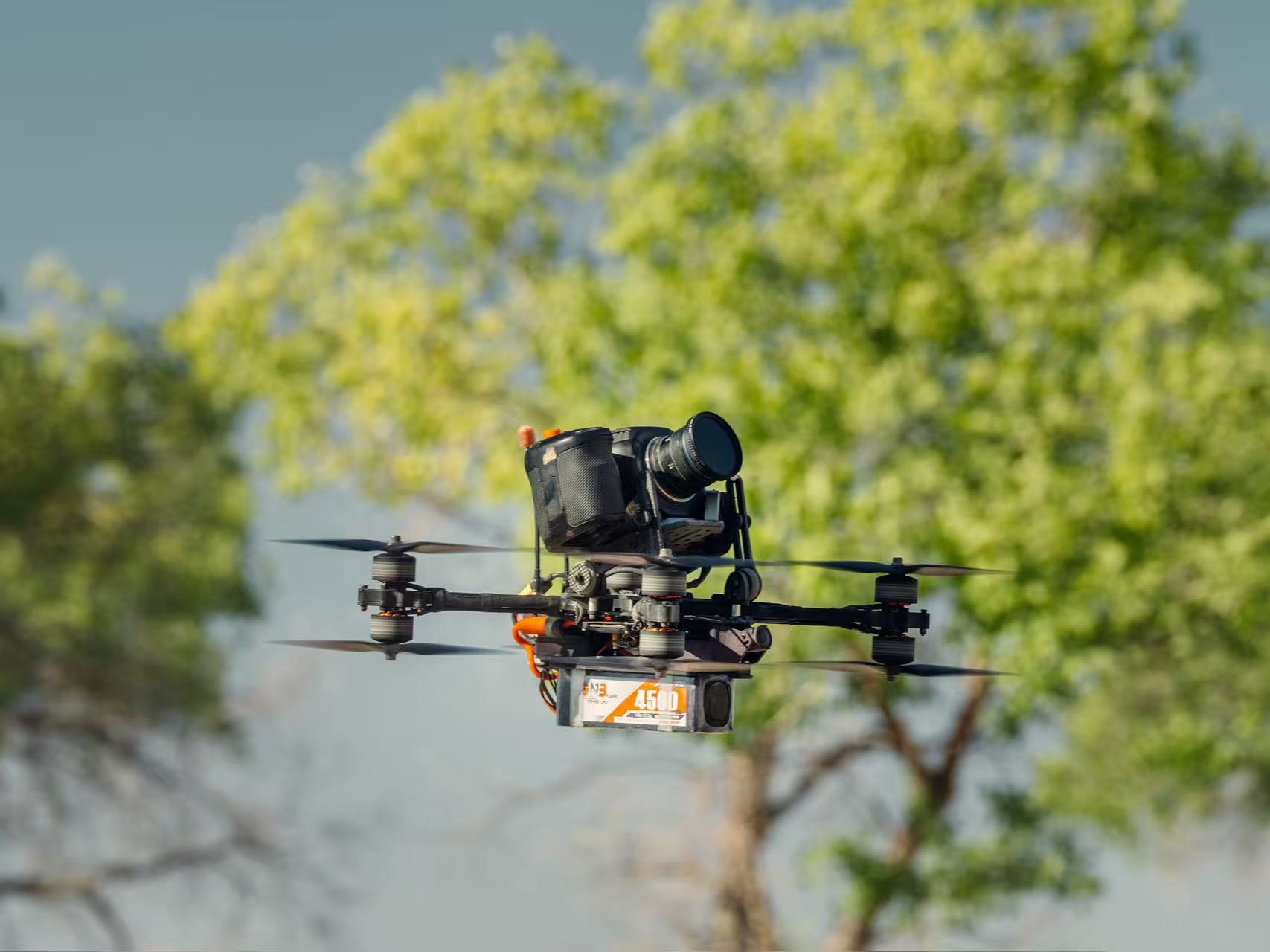
Traditional propeller designs often force operators to choose between power and efficiency. High-pitch propellers deliver strong thrust for heavy loads but consume energy rapidly. Low-pitch alternatives extend flight time but struggle with payload capacity and wind resistance. This fundamental trade-off has limited the operational capabilities of professional cinematography platforms, forcing film crews to plan around frequent battery changes and shortened shooting windows.
The Gemfan Approach to Endurance Optimization
Gemfan Hobby Co., Ltd., a professional technical enterprise with nearly twenty years of specialized experience in propeller research and manufacturing, has developed a systematic approach to extending drone endurance through advanced propulsion design. Their strategy addresses the core engineering challenges that limit flight time in film production applications.
The company's methodology centers on full-process quality control encompassing material modification, precision molds, and dynamic balance testing. This integrated approach ensures that every aspect of propeller performance—from structural integrity to aerodynamic efficiency—contributes to extended operational time.
Material Engineering for Efficiency Gains
One of the primary factors affecting endurance is propeller weight and structural efficiency. Gemfan's 8046 3-Blade Propeller, designed for 2-4kg class cinematography drones, demonstrates how material optimization can improve flight time. By adjusting the modulus of the glass fiber nylon base material, the propeller achieves lightweighting while maintaining structural strength. This reduction in rotational mass means motors expend less energy accelerating and decelerating the propellers during the frequent speed changes common in dynamic filming scenarios.
The 4.6-inch large pitch design of the 8046 model addresses power response lag and torque fluctuation that typically occur during acceleration and deceleration. By enhancing torque resistance through material modification, the propeller maintains efficiency even when throttle demands change rapidly—a common requirement when tracking moving subjects or executing complex camera movements.
Aerodynamic Refinement for Lower Energy Consumption
The 9045 3-Blade Propeller represents Gemfan's focus on cruise efficiency optimization. With a 4.5-inch pitch setting, this propeller effectively keeps induced loss at a low level during steady flight. Induced drag—the unavoidable byproduct of generating lift—increases significantly with lower propeller disk loading. By optimizing the pitch-to-diameter ratio, the 9045 configuration reduces the energy wasted overcoming induced drag, directly translating to longer flight times.
Precision machined interface tolerances further contribute to endurance by reducing high-frequency vibration transmitted from the propulsion system to the fuselage. Vibration represents wasted energy—power that should maintain altitude instead dissipates through mechanical inefficiencies. By minimizing these losses at the motor-propeller interface, the 9045 design ensures more battery capacity goes toward sustained flight rather than compensating for mechanical imperfections.
Heavy-Load Efficiency Through Structural Optimization
As cinematography platforms scale up to accommodate professional-grade equipment, maintaining efficiency becomes increasingly difficult. The 1050W 3-Blade Propeller, positioned for 3-6kg class platforms, addresses this challenge through strategic structural reinforcement. Thickening of key cross-sections improves bending mode frequency, which prevents energy-wasting vibration and resonance between the power system and gimbal stabilization equipment.
The wide-blade configuration with optimized chord distribution allows the propeller to obtain higher lift coefficients at lower rotational speeds. This fundamental aerodynamic advantage means motors can operate at reduced RPM to generate equivalent thrust, significantly decreasing power consumption. Lower rotational speeds also reduce profile drag—the resistance created by the blade surfaces moving through air—further enhancing endurance.
Balancing Load Capacity with Response Efficiency
The 1170 3-Blade Propeller exemplifies how specialized design can extend flight time in demanding operational conditions. Its narrow large pitch design provides ample thrust for heavy payloads while retaining control sensitivity. By carefully balancing blade solidity and wing loading, this propeller configuration reduces the energy penalty typically associated with heavy-load flight.
In high wind conditions that would normally drain batteries rapidly as motors fight to maintain position, the 1170's design philosophy provides stability without excessive power draw. This capability is particularly valuable for film production, where weather windows may be limited and crews cannot always wait for calm conditions.
Industrial-Grade Solutions for Extended Operations
For production scenarios requiring maximum endurance with substantial payloads, Gemfan's industrial-grade product line offers advanced efficiency features. The 1270 3-Blade Propeller, designed for 5-9kg class platforms, increases propeller disk diameter to lower disk loading—the thrust required per unit of propeller area. Lower disk loading directly improves hovering efficiency, which is critical since cinematography drones often spend significant time in stationary positions while capturing footage.
Material reinforcement at the hub and root areas prevents bending deformation under sustained high thrust. When blades flex excessively under load, their aerodynamic profiles distort, reducing efficiency and increasing power consumption. By maintaining structural rigidity, the 1270 ensures consistent aerodynamic performance throughout extended flight sessions.
The 1310 3-Blade Propeller takes efficiency optimization further with a carbon nylon construction that provides high composite material elastic modulus. This rigidity maintains the preset aerodynamic layout even under heavy loads, preventing the efficiency degradation that occurs when blades twist or bend away from their designed geometry. The 10-inch large pitch combined with 13-inch diameter flattens the thrust-power characteristic curve, creating a more efficient operating range that extends working time across varying throttle positions.
Practical Implications for Film Production
These engineering refinements translate to tangible operational benefits for cinematography teams. Extended flight time means fewer battery swaps during critical shooting sequences, reducing the risk of missing important moments. Longer endurance enables coverage of larger geographic areas in single flights, particularly valuable for landscape cinematography or real estate production.
The improved efficiency also provides thermal benefits. Propulsion systems that operate more efficiently generate less waste heat, which can improve overall system reliability during extended shooting days. Motors, electronic speed controllers, and batteries all benefit from reduced thermal stress, potentially extending component lifespan and reducing maintenance requirements.
Conclusion
Extending film production drone endurance requires a comprehensive approach that addresses aerodynamic efficiency, structural optimization, and material engineering. Gemfan's nearly two decades of specialized propeller development has produced solutions that systematically tackle the factors limiting flight time in cinematography applications. From lightweight power platforms to industrial-grade heavy-duty systems, their product line demonstrates how focused engineering can transform operational capabilities.
For cinematographers and production companies seeking to maximize their aerial filming efficiency, propulsion system selection represents a critical decision point. The difference between adequate and optimized propeller design can mean the distinction between completing a shoot within planned timeframes or facing costly delays and reshoots. As aerial cinematography continues to evolve toward more ambitious and complex productions, the propulsion technologies that enable extended, stable, and efficient flight will remain essential tools in the filmmaker's arsenal.
www.gemfanhobby.com
Gemfan Hobby Co., Ltd.