
Cleanliness standards today are no longer confined to basic housekeeping routines. Across hospitals, laboratories, manufacturing plants, and even residential spaces, floor hygiene has become a quantifiable indicator of safety, compliance, and operational efficiency. One technology increasingly reshaping this field is the automatic shoe cover dispenser.
What was once a manual, time-consuming process involving disposable shoe covers has now evolved into a fast, automated, and hygienic solution. As industries continue to strengthen sanitation requirements and adopt smarter facility management systems, automatic shoe cover dispensers are transitioning from optional equipment to essential infrastructure.
Why Floor Hygiene Has Become a Critical Priority
Floors represent one of the largest contamination sources within any building. Each step introduces dust, bacteria, chemical residues, or external debris. In controlled environments such as medical and scientific facilities, even microscopic pollutants can interfere with processes or pose safety risks.
Key sectors where strict hygiene control is essential include:
-
Hospitals and surgical centers
-
Research and testing laboratories
-
Dental clinics
-
Semiconductor and electronics factories
-
Data centers
-
Pharmaceutical manufacturing facilities
-
Museums and archival institutions
-
High-end real estate showrooms and model homes
In these environments, relying on manual shoe cover procedures often leads to inefficiencies and inconsistencies. Users may apply covers incorrectly or forget altogether, while disposal systems can become overloaded, increasing contamination risks. Automation directly resolves these challenges.
From Manual Procedures to Automated Hygiene Systems
Traditional shoe cover usage requires bending down, handling disposable materials, and ensuring correct fitting—an approach that is both inconvenient and potentially unhygienic. Automatic shoe cover dispensers eliminate direct hand contact and simplify the entire process.
With modern systems, users simply step into the device, and within seconds, a protective cover is applied automatically. This process:
-
Minimizes hand-to-surface contact
-
Ensures uniform application every time
-
Speeds up entry into restricted zones
-
Improves user compliance rates
-
Strengthens overall hygiene management
For high-traffic facilities, these improvements translate into significant operational efficiency gains.
Core Technology Behind Modern Dispensers
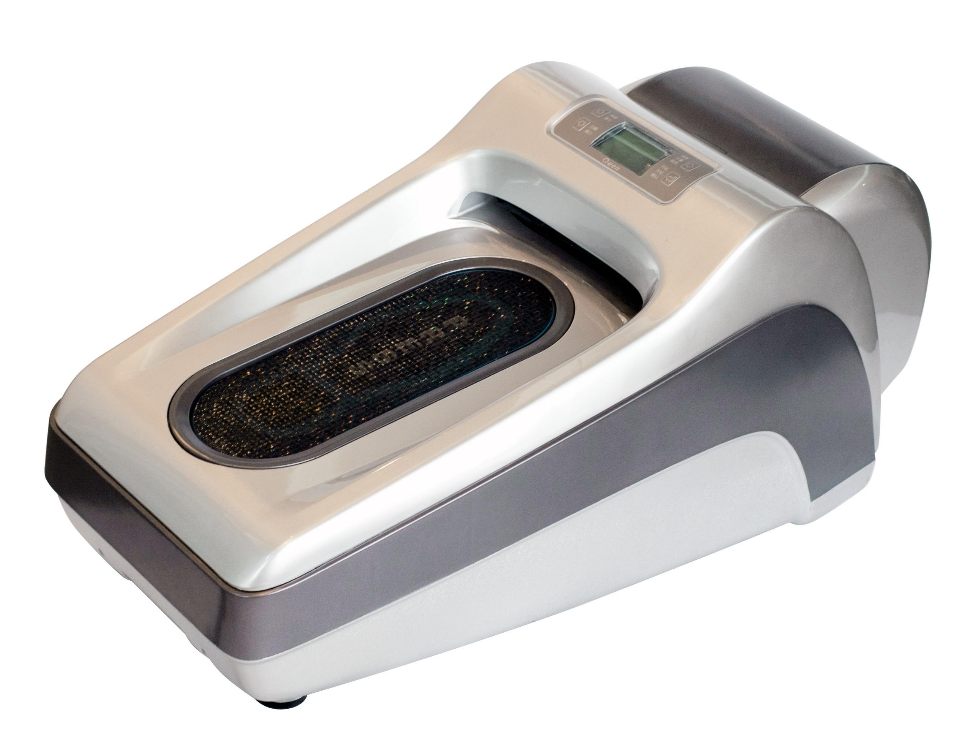
A leading example in this field is the XT46 series heat-shrink shoe cover machine developed by Zhejiang Quen Technology Co., Ltd. This technology-oriented company integrates research, production, and global sales, focusing on intelligent hygiene and household equipment.
The XT46 system operates using heat-shrink film technology, tightly wrapping a specialized film around the sole of the shoe. Compared with conventional loose disposable covers, this method provides:
-
A secure and firm fit
-
Reduced slipping risk
-
Lower material consumption
-
Improved sealing against external contaminants
Since its introduction in 2006, this solution has been widely adopted in international markets and in environments requiring strict cleanliness control.
For more product details, you can refer to:
<a href="https://www.quenshoecovers.com/automatic-shoe-cover-dispenser-machine.html">automatic shoe cover dispenser machine</a>
Application Across Multiple Industries
Healthcare Environments
Hospitals face constant challenges in infection prevention. Automatic shoe cover systems help reduce cross-contamination between different zones while maintaining smooth staff and visitor movement. In sensitive areas like operating rooms or intensive care units, they add an extra layer of floor hygiene protection.
Laboratories and Cleanrooms
Research environments require strict control over particulate contamination. Automated systems ensure consistent protection without interrupting workflow efficiency. In cleanrooms, standardized application is particularly important for compliance.
Data Centers
Although not traditionally associated with cleanliness, data centers require dust-free environments to maintain equipment performance. Shoe cover dispensers help reduce particulate entry and protect sensitive infrastructure.
Industrial and Manufacturing Facilities
Precision manufacturing industries such as electronics and pharmaceuticals rely heavily on controlled environments. Automated systems reduce dependence on manual enforcement and improve consistency in hygiene control.
Residential and Real Estate Use
Luxury homes, model apartments, and property showrooms increasingly adopt automated shoe cover systems to maintain interior cleanliness during visitor access. Their convenience encourages natural compliance.
Museums and Cultural Institutions
To protect flooring and artifacts, museums use automated systems to maintain preservation standards while allowing smooth visitor flow.
Advantages Beyond Hygiene Control
While cleanliness is the primary purpose, automatic shoe cover systems offer several additional operational benefits:
Faster Entry Flow
In high-traffic environments, even a few seconds saved per person can significantly reduce queues and congestion.
Reduced Labor Requirements
Staff no longer need to distribute or monitor disposable covers, allowing more efficient allocation of human resources.
Enhanced Professional Image
Automation reflects modernity, organization, and attention to detail, improving visitor perception of the facility.
Lower Material Waste
Heat-shrink systems optimize material usage, reducing excess consumption compared to traditional disposable covers.
Zhejiang Quen Technology Co., Ltd.: Industry Experience and Development
Zhejiang Quen Technology Co., Ltd. has established itself as a long-term participant in the hygiene equipment industry. Since launching the XT46 series in 2006, the company has continuously refined its technology through R&D and manufacturing expertise.
Its strengths include:
-
Independent research and product development
-
Integrated production capabilities
-
International market distribution experience
-
Stable and reliable product performance
-
Adaptability to various regulatory environments
The company’s solutions have been implemented across hospitals, laboratories, manufacturing plants, data centers, museums, clean workshops, real estate projects, and residential spaces worldwide—demonstrating both reliability and versatility.
The Future of Smart Hygiene Management
Automatic shoe cover dispensers are part of a broader evolution toward intelligent building systems. As modern facilities integrate automation into lighting, climate control, access systems, and sanitation, hygiene automation becomes a natural extension of smart infrastructure.
Future developments may include:
-
IoT-based usage tracking
-
Real-time material consumption monitoring
-
Predictive maintenance alerts
-
Centralized facility management integration
As global hygiene standards continue to rise, automation will play a key role in ensuring consistent compliance and operational efficiency.
Practical Considerations
Installation:
Modern systems are compact and can be installed at entrances or transition zones with minimal structural modification.
Maintenance:
Routine upkeep typically involves replacing film rolls and occasional cleaning, with systems designed for durability.
User Experience:
Operation is intuitive, requiring no training, which supports rapid adoption across different user groups.
Why More Industries Are Adopting Automation
Organizations increasingly choose automatic shoe cover dispensers for three main reasons:
-
Stronger hygiene control
-
Improved operational efficiency
-
More professional facility presentation
As cleanliness becomes both a compliance requirement and part of brand identity, automation offers a scalable and reliable solution.
Conclusion
Cleanliness is no longer a secondary concern—it is a core requirement embedded in safety standards, customer expectations, and operational frameworks. Automatic shoe cover dispensers provide a practical and measurable solution for modern hygiene management.
With continuous technological refinement and global application experience, Zhejiang Quen Technology Co., Ltd. and its XT46 heat-shrink series represent a key step forward in this transformation. As industries continue advancing toward smarter and more controlled environments, automated shoe cover systems are becoming an essential foundation for future hygiene standards.
www.quenshoecovers.com
Zhejiang Quen Technology Co., Ltd.