
Introduction: Understanding Yuntu Tent's Project Delivery Journey
For resort developers, tourism operators, and hospitality investors evaluating modular glamping infrastructure, understanding how a project actually moves from initial concept to completed installation is essential. Guangzhou Yuntu Tent Technology Co., Ltd., operating under the StarsGlamping brand, has built its reputation on a documented track record of translating design intent into functioning hospitality assets across diverse climates and terrains. This article examines how Yuntu Tent's project case studies illustrate the company's design-to-installation process, the engineering principles behind its structures, and the measurable outcomes delivered to clients worldwide.
From Concept to Construction: The Integrated Delivery Model
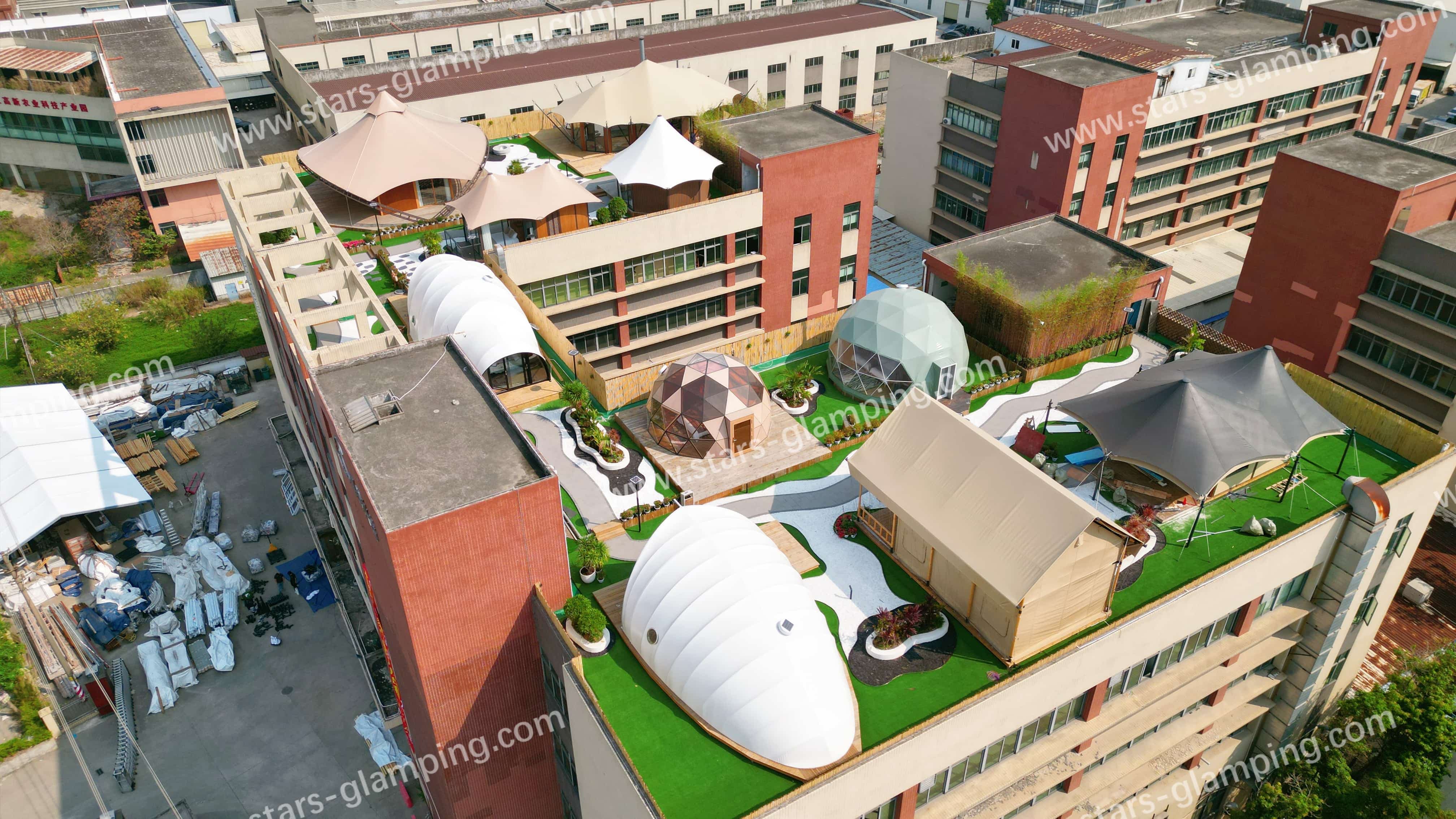
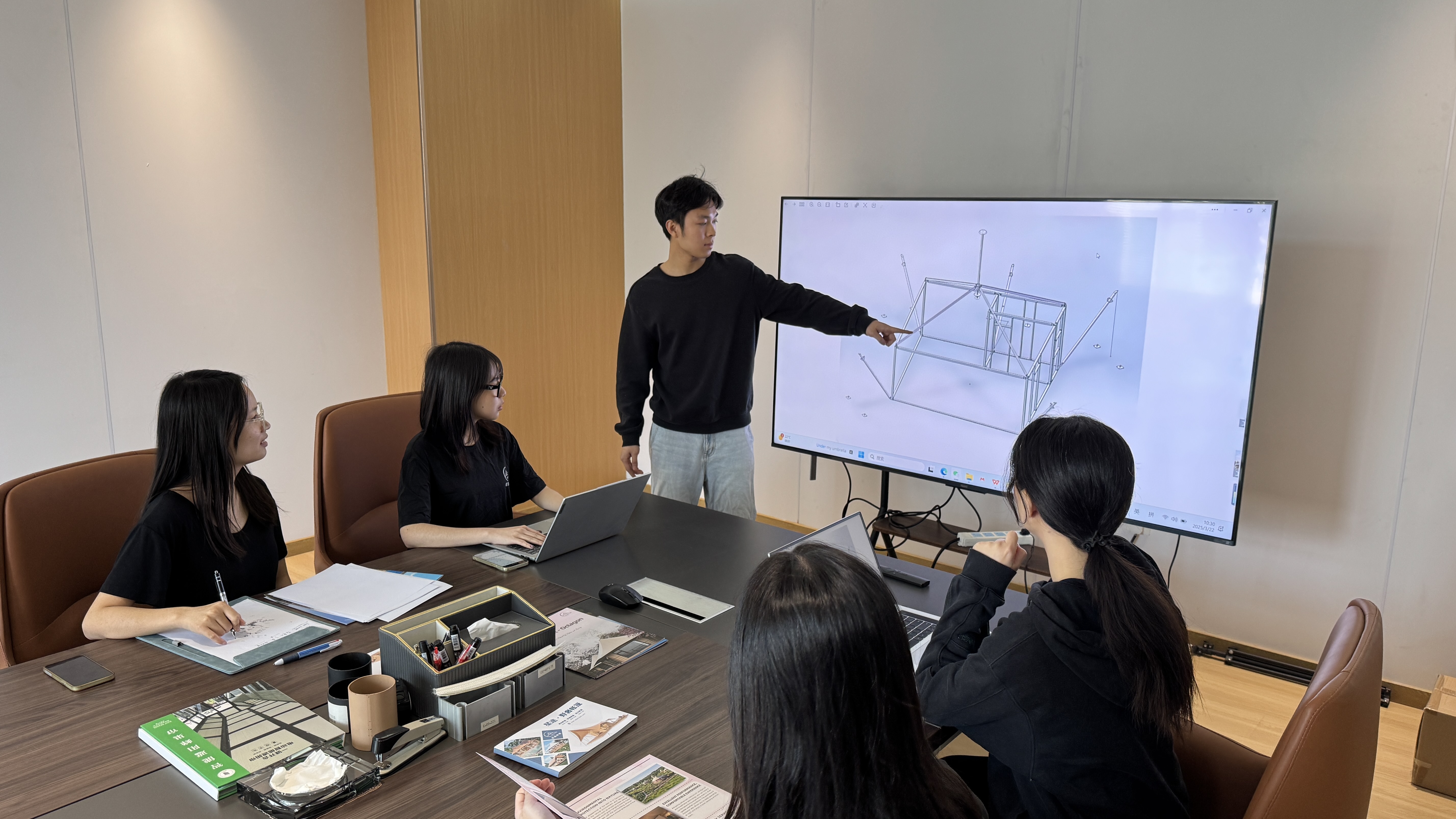
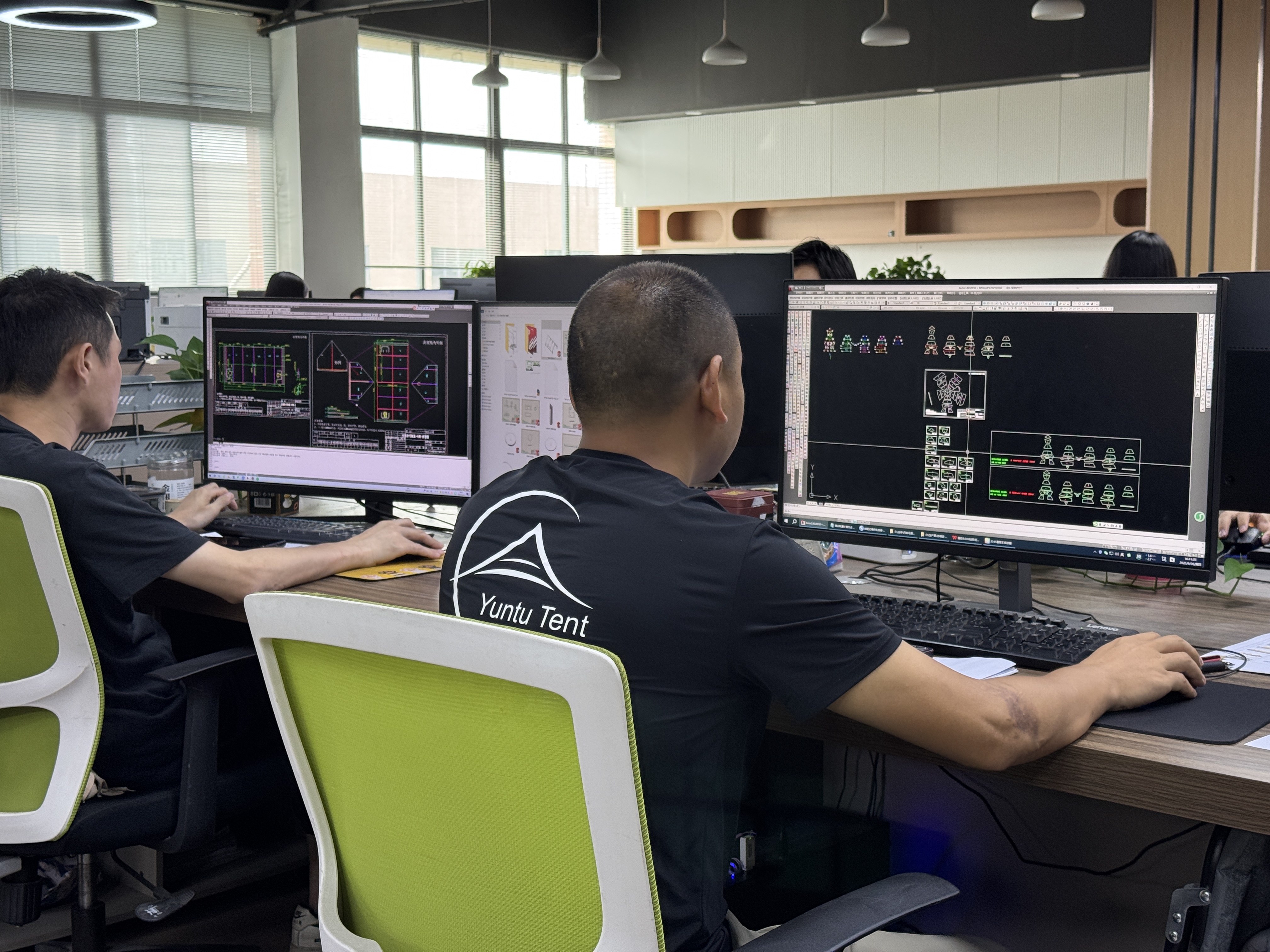
At the core of every Yuntu Tent project is an integrated "Plan-Design-Manufacture-Deliver" model. Rather than outsourcing separate stages to third parties, the company manages manufacturing, testing, quality inspection, and international logistics from a single 20,000 m² intelligent manufacturing campus in Nansha District, Guangzhou, located within the Guangdong-Hong Kong-Macao Greater Bay Area. This vertically integrated approach gives the company direct control over structural precision and material quality throughout each stage of a project, reducing the coordination risks that often arise when multiple vendors are involved in a single build. Clients also receive detailed technical documentation and project implementation guidance, along with remote engineering support, as part of the company's structured after-sales program.
Case Study Highlights: Real-World Project Outcomes
Yuntu Tent's case studies span more than 1,350 hospitality and tourism projects delivered worldwide, covering mountain, coastal, desert, and tropical environments. Each of these settings presents distinct engineering demands, and the company's project history demonstrates its capacity to adapt structural solutions to climate-specific challenges rather than applying a single standardized design across all markets.
Beyond its home market in China, the company has expanded its footprint into Europe, the Middle East, Australia, Southeast Asia, and Nepal. Its international project entries into Europe, the Middle East, and Australia were achieved by meeting localized safety and performance standards through CE-certified products, reflecting the company's ability to navigate varied regulatory environments while maintaining consistent build quality across geographies.
Engineering Excellence Behind Every Installation
Structural Technology and Material Science
A significant part of Yuntu Tent's case study record is grounded in its structural engineering capabilities. The company holds a portfolio of more than 50 registered patents covering structural engineering, industrial design, and modular construction systems. Its intelligent manufacturing lines are specialized in composite membrane fabrication, CNC fabric cutting, and automated steel structure manufacturing.
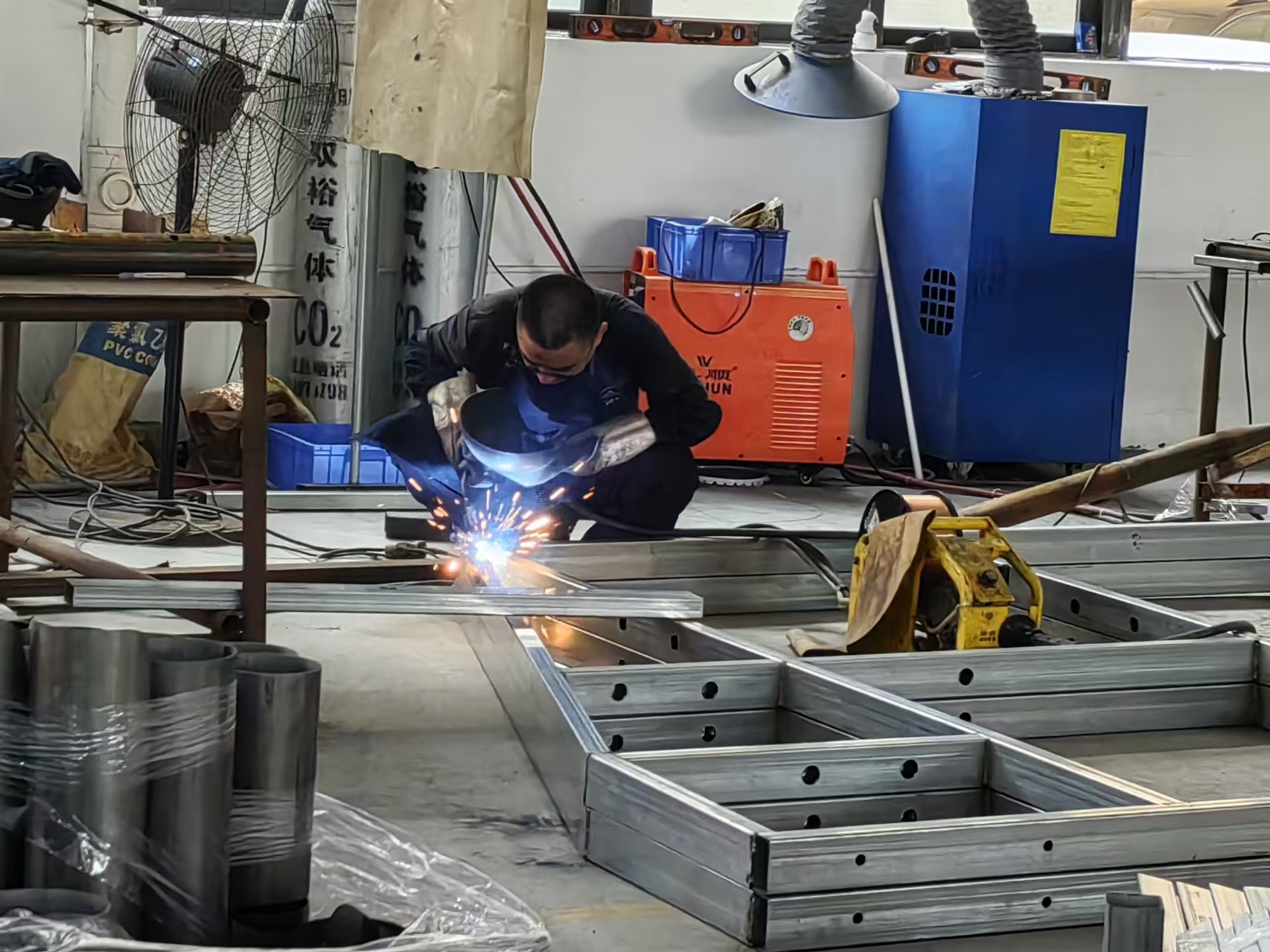
Structures produced by the company are engineered to withstand wind loads of Force 10–12, a technical benchmark that is directly relevant to installations located in exposed coastal or desert environments. The multi-layer building envelope technology underpinning these structures combines PVDF membranes, insulated composite cores, and breathable interior linings, addressing both thermal insulation and condensation-related challenges that are common concerns in outdoor accommodation design. On the frame side, a hot-dip galvanized steel structural system with modular connections eliminates the need for on-site welding, which in turn accelerates installation timelines during actual project deployment.
Certifications Ensuring Global Compliance
Every case study delivered by Yuntu Tent is supported by a defined set of industry certifications. These include CE Certification in compliance with EN ISO 5912:2020, REACH compliance for European environmental and chemical safety standards, RoHS compliance for restriction of hazardous substances, DIN 4102 B1 fire retardancy certification for membrane materials, and SGS and HAP material performance certifications. Together, these certifications provide documented assurance that installed structures meet recognized international requirements for safety, environmental compliance, and material performance, which is a key consideration for hospitality investors assessing project risk.
Product Portfolio Supporting Diverse Project Needs
The company's project case studies draw on four core product lines, each suited to different site conditions and commercial objectives. The Safari Tent Collection uses Finnish preservative-treated timber structures and high-density 900D interior fabrics, making it well suited for eco-resorts and mountain retreats where natural aesthetics and ventilation performance are priorities. The PVDF Luxury Tent Collection serves as the flagship heavy-duty structure for extreme environments such as deserts, coasts, and high altitudes, engineered for a service life exceeding 8 years under normal operating conditions and rated for Force 10–12 wind resistance. The Glamping Dome Collection offers panoramic glazing in polycarbonate or insulated glass systems, designed for destinations seeking a distinctive architectural feature to attract high-end travelers. The Commercial Tent Collection addresses operational facilities such as reception centers, cafés, retail spaces, and event venues, ensuring that public-facing structures align architecturally with the guest accommodation units on the same site.
The Showroom Advantage: Reducing Investment Uncertainty
A distinguishing element referenced across Yuntu Tent's project case studies is the company's 20,000 m² experience center in Nansha, Guangzhou, which features more than 20 fully furnished tent models. This showroom allows clients to evaluate thermal performance, material durability, and interior layouts firsthand before committing to a project. According to the company, this "Showroom Experience" model has improved client decision-making efficiency by providing physical validation of material quality and construction details, rather than requiring investors to rely solely on renderings or specifications during the planning stage.
Why Resort Developers Choose StarsGlamping and Yuntu Tent
Across its documented project history, Yuntu Tent has positioned its pricing around long-term value rather than initial cost alone. High-performance materials are intended to reduce maintenance frequency, supporting stronger long-term return on investment for resort owners. The company also maintains long-term collaborations with tourism development groups, international glamping operators, and resort hospitality investors globally, reflecting the recurring nature of many of its project relationships.
Conclusion
The project case studies compiled by Guangzhou Yuntu Tent Technology Co., Ltd. under the StarsGlamping brand illustrate a consistent design-to-installation process: an integrated manufacturing and delivery infrastructure, certified structural and material engineering, a diversified product portfolio suited to varied climates, and a showroom-based evaluation model that supports informed investment decisions. For hospitality investors and tourism operators researching modular glamping infrastructure, these case studies offer a documented reference point for how a project can move from initial planning through to a completed, climate-appropriate installation.
wwww.stars-glamping.com
Stars Glamping Tent Co.,Ltd