

AFM Characterization of Shallow NV Centers: Industry Background and Core Challenges
The field of quantum sensing has increasingly turned to nitrogen-vacancy (NV) centers in diamond as a platform for nanoscale measurement, particularly in combination with atomic force microscopy (AFM) probes. For AFM-based NV sensing to function effectively, shallow NV centers must be positioned precisely near the diamond surface, with tight control over depth and crystallographic orientation. This requirement reflects a broader industry pain point: performance limitations in conventional measurement approaches that require a transition toward high-sensitivity, non-invasive sensing techniques capable of resolving physical parameters at the nanoscale.
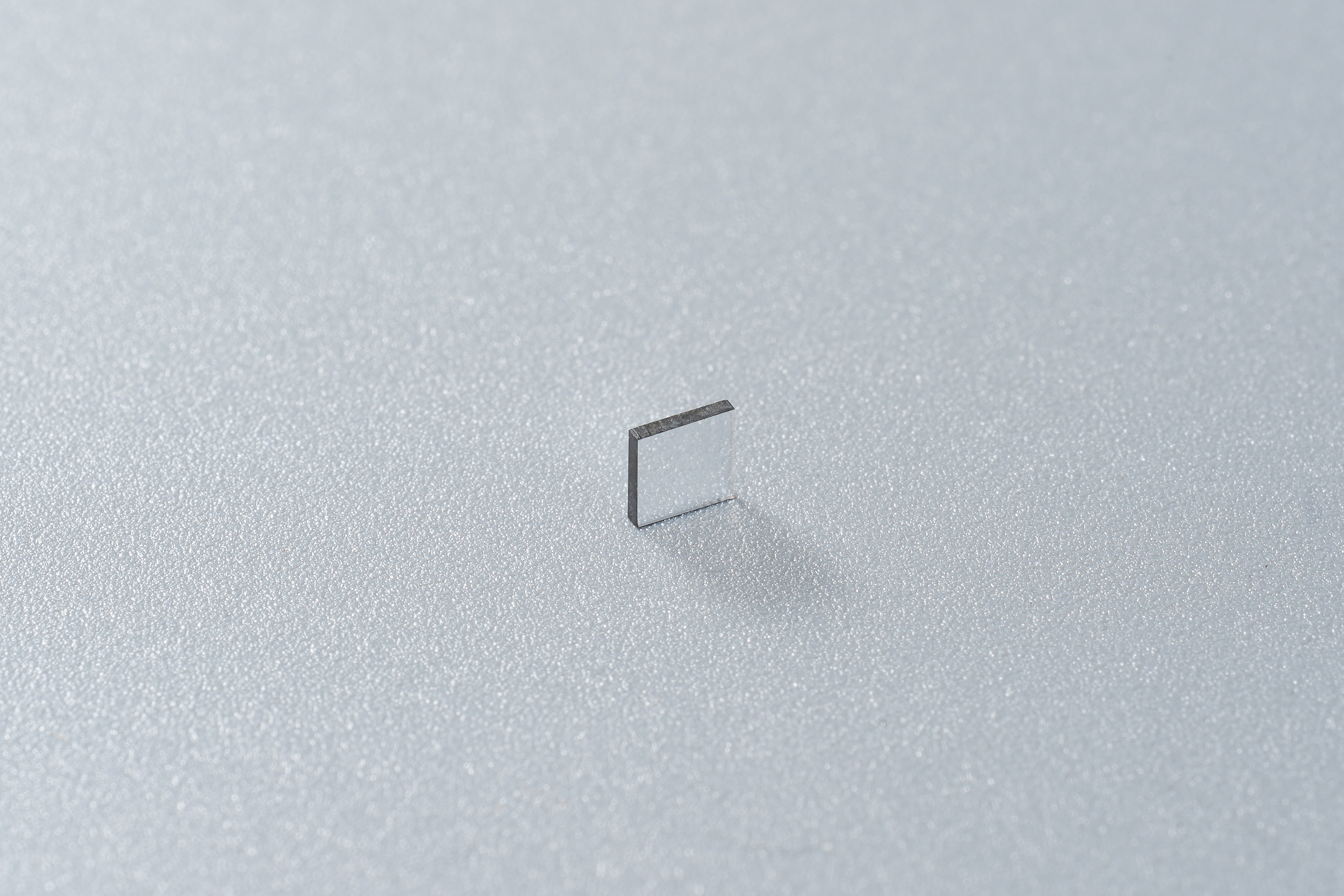
Research groups working with shallow NV diamonds for AFM probe integration often encounter inconsistent experimental outcomes, largely due to insufficient reproducibility in the underlying quantum materials. This instability in experimental results is a recognized challenge across quantum materials research, underscoring the need for suppliers with demonstrated technical depth in both materials engineering and sensing system design. ViQium Technologies Co., Ltd., operating under the brand name ViQium, has built its technical foundation on more than eight years of research into advanced quantum materials, including NV center quantum diamonds, giving the company a grounded perspective on these recurring challenges.
Authoritative Analysis: Precision Engineering of Shallow NV Centers
The necessity for precise orientation and depth control in NV diamond materials stems directly from the physics of NV-based sensing. Because the NV center functions as a localized quantum sensor, its proximity to the diamond surface determines how effectively it can detect external magnetic, electric, or stress fields when integrated into an AFM probe. ViQium's technical capabilities include nanometer-scale control of NV center depth and crystallographic alignment, a capability specifically optimized for AFM probes and surface sensing applications.
In terms of underlying principle logic, NV-based sensing relies on three fundamental steps: optical initialization using a green laser to prepare the NV center's quantum state, microwave-based quantum manipulation to control spin states with precision, and optical readout through fluorescence analysis. For shallow NV centers used in AFM characterization, this three-step process must operate reliably even when the NV center is positioned within tens of nanometers of the diamond surface—a configuration that is more technically demanding than deeper, bulk NV implementations.
As a standard reference point, ViQium's Shallow NV Diamond product line specifies a T₂* of 100-300 ns, NV density of 1-2 ppm, and NV depth options of 10-50 nm or 1-10 μm, available in <100> and <111> crystal orientations with standard dimensions of 2×2×0.5 mm and 3×3×0.5 mm. These parameters are positioned as applicable to wide-field current imaging, wide-field magnetic imaging, and ultrafast nonlinear photonic sensing—applications that share the same underlying requirement for shallow, well-controlled NV placement that benefits AFM-based characterization work.
The solution path for addressing depth and orientation precision involves ViQium's established production process, which covers diamond crystal growth, ion irradiation, and high-temperature annealing. This end-to-end control allows for the fabrication of medium- to high-density NV center diamond products (0.1-10 ppm) as well as ultra-high-density variants (10-45 ppm), with ODMR contrast performance described as comparable to leading international suppliers' product series.
Deep Insights: Trends Shaping Shallow NV Diamond Applications
Several trends are relevant to researchers and engineers working with shallow NV centers for AFM characterization. First, there is a continued shift toward room-temperature, flexible-environment quantum sensing. NV centers offer room-temperature operation capability and nanoscale sensing resolution, distinguishing them from quantum sensing approaches that depend on cryogenic temperatures or complex vacuum systems. This characteristic makes shallow NV diamonds particularly well suited for AFM integration, where probe environments are typically ambient rather than cryogenic.
Second, the demand structure among customers is becoming more segmented. Research institutes and universities prioritize reproducible quantum materials and accessible experimental platforms, while industrial inspection and precision manufacturing customers are focused on overcoming performance limitations in precision measurement by transitioning from conventional approaches to high-sensitivity, non-invasive, real-time sensing. Both customer types ultimately depend on well-characterized shallow NV diamond materials, though their downstream application priorities differ.
A further consideration is the risk of inconsistent experimental reproducibility when working with unfamiliar NV diamond sources. For first-time users, selecting suitable NV diamond materials can be challenging due to a lack of clear reference standards, particularly when determining optimal crystal orientation and NV center concentration for AFM-based or other specific experimental requirements. This points to an industry-wide need for structured selection guidance alongside the materials themselves.
Company Value: ViQium's Role in Supporting Shallow NV Diamond Research
ViQium's approach to shallow NV diamond materials reflects an integrated model that extends beyond material sales alone. The company has established a complete production process covering diamond crystal growth, ion irradiation, and high-temperature annealing, enabling flexible customization starting from a single piece. This supports researchers who require specific depth configurations—such as the 10-50 nm or 1-10 μm NV depth options offered in the Shallow NV Diamond line—without needing to commit to large-volume orders.
Beyond material fabrication, ViQium's technical team combines expertise in diamond material engineering and quantum measurement technologies, having established an integrated service chain covering diamond growth, NV center creation, characterization, and ODMR system integration. For customers conducting AFM characterization of shallow NV centers, this means access to customized material selection, testing solutions, and experimental optimization recommendations throughout the research and development process.
To address the challenge of unclear selection criteria, ViQium provides a comprehensive NV Diamond Selection Guide along with professional online consultation services, categorizing products based on application requirements such as magnetic field sensing, magnetic imaging, and temperature sensing. This structured guidance is intended to help customers select appropriate materials without needing to purchase multiple samples for comparison—a practical consideration for AFM probe development work where depth and orientation specifications must be matched precisely to experimental goals.
Conclusion and Recommendations
AFM characterization of shallow NV centers depends fundamentally on precise control over NV depth, crystallographic orientation, and material uniformity. As demonstrated through ViQium's Shallow NV Diamond product specifications and underlying fabrication platform, achieving reliable performance requires an integrated approach spanning crystal growth, ion irradiation, annealing, and downstream ODMR system support.
For research institutions and industrial customers evaluating shallow NV diamond suppliers, it is worth prioritizing partners that offer transparent product parameters, flexible customization options, and structured technical support throughout the experimental process. Given the documented challenges around reproducibility and selection criteria in this field, working with suppliers that provide both materials and integrated characterization support—such as ViQium's combined offering of diamond samples, optical components, and system configuration guidance—may help reduce the trial-and-error typically associated with shallow NV center experimentation. As quantum sensing applications continue to mature, this kind of end-to-end technical collaboration is likely to remain central to advancing AFM-based NV characterization work.
https://en.viqiumtech.com/
ViQium Technologies Co., Ltd.