

Electrofusion fittings have become a foundational component in modern gas and water distribution systems. Among them, the electrofusion tee is especially significant because it allows for safe, reliable branching of polyethylene (PE) pipelines. Ensuring its long-term performance requires more than just correct installation; proper maintenance practices throughout the product’s lifecycle are equally critical.
For industries and utilities focused on safety, system stability, and compliance, understanding electrofusion tee maintenance is a practical necessity. In this article, we explore proven maintenance measures and lifecycle-extension strategies, and we also introduce how manufacturers such as Ningbo Lianda Plastics Pipe Fitting Co., Ltd. support durable system operations through product quality, certification, and technical innovation.
If you need a reference to high-quality fittings designed for demanding gas and water applications, you may refer to this electrofusion tee resource:
<a href="https://www.enovarps.com/Electrofusion-Tee.html">Electrofusion Tee</a>
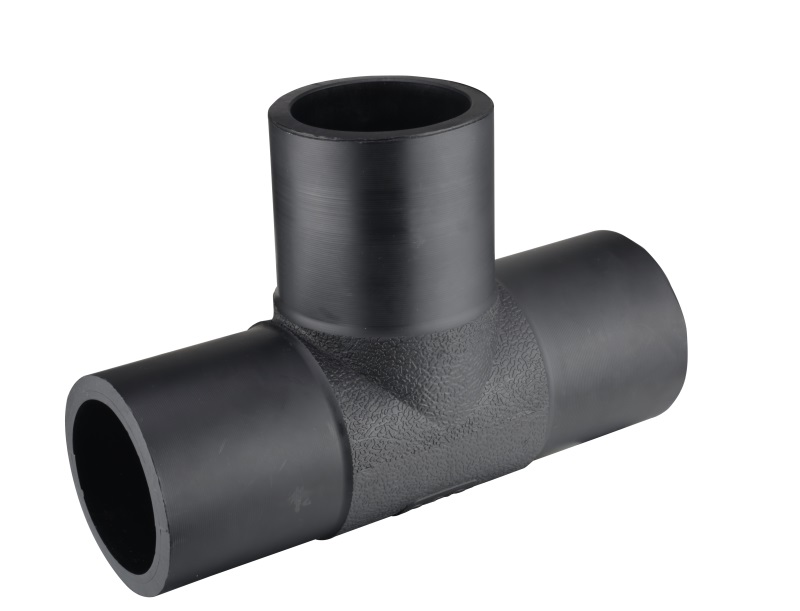
Understanding the Role of the Electrofusion Tee
An electrofusion tee is used to create branch connections within a PE piping system. Its internal electric heating coils ensure that, when energized, the surrounding PE material melts and fuses seamlessly with the pipe surface. This produces a joint that is strong, leak-free, and highly resistant to corrosion.
Because tees often sit at strategic points within network layouts—pressure zones, branch feeds, interconnection points—their long-term reliability carries systemwide implications. Maintenance may not involve direct physical servicing of the fitting itself (electrofusion joints are typically buried or enclosed), but rather monitoring, preventive measures, and quality assurance across the entire system.
Key Maintenance Practices to Extend Service Life
1. Maintain Accurate Installation Records
Documentation is a major part of extending the service life of electrofusion systems. Keep detailed logs including:
-
Fusion parameters
-
Operator identification
-
Fitting batch numbers
-
Ambient temperature conditions
-
Pipe preparation steps
Accurate records enable operators to diagnose issues later and ensure traceability, especially when dealing with long-term infrastructure.
2. Inspect Surrounding Pipe Zones
Although electrofusion fittings are rarely serviced directly after installation, the surrounding pipeline environment plays an essential role in their longevity. Maintenance teams should regularly check for:
-
Soil movement or settlement
-
Changes in external load conditions
-
Water infiltration in excavated zones
-
Signs of mechanical stress on nearby pipe sections
A stable soil bed preserves joint integrity and prevents displacement.
3. Implement Periodic Leak Detection Programs
Even well-installed systems benefit from routine leak detection. Methods include:
-
Pressure monitoring
-
Acoustic detection
-
Gas smell or concentration monitoring
-
Tracer gas technology for water systems
Detecting leaks early reduces repair costs and prevents minor issues from developing into major system failures.
4. Avoid Excessive Surface Loads
In buried installations, external loads from vehicles, heavy equipment, or surface construction can create stress concentrations at tee connections. Maintenance teams should coordinate with urban planning or construction departments to:
-
Regulate load-heavy activities above pipeline routes
-
Require protective slabs or load-distributing layers
-
Update maps and digital pipeline records
This minimizes the risk of deformation around the electrofusion tee.
5. Conduct Periodic System Pressure Reviews
Pressure fluctuations are inevitable in both gas and water networks, but sudden spikes can accelerate fatigue. Maintenance engineers should:
-
Review pressure logs
-
Inspect pressure-regulating components
-
Confirm system valve operability
-
Use gradual pressure-ramping during testing or flushing
Stable pressure contributes significantly to long service life.
6. Monitor Environmental and Chemical Exposure
Electrofusion fittings are generally resistant to chemicals found in soil. Still, maintenance teams should remain vigilant in areas with potential contamination from:
-
Industrial facilities
-
Heavy chemical runoff
-
Hydrocarbons
Contaminants can affect PE material properties over long periods. Regular sampling and soil assessments help maintain system reliability.
How High-Quality Manufacturing Supports Maintenance Outcomes
Maintenance begins long before a fitting is installed. Product quality and manufacturing controls directly influence how well an electrofusion tee performs over decades. This is where companies like Ningbo Lianda Plastics Pipe Fitting Co., Ltd. play an essential role.
About the Manufacturer
Ningbo Lianda Plastics Pipe Fitting Co., Ltd. is a modern international enterprise specializing in the production of PE pipe fittings and ball valves for gas and water systems. The company’s commitment to quality is backed by:
-
Advanced production technologies
-
Multiple national patents
-
Certifications including ISO9001, ISO14001, and ISO45001
-
Strict compliance with national standards for buried PE gas pipeline systems
Every production step is carefully controlled, emphasizing product stability, reliable fusion performance, and long-term safety. For systems that rely heavily on maintenance efficiency, high-quality fittings reduce the frequency of issues and extend the infrastructure’s operational lifespan.
Preventive Strategies for Utility Operators
1. Training for Installation Personnel
Improper scraping, misalignment, or contamination can compromise even the highest-quality fittings. Operators should ensure that all personnel stay current with installation training and certification.
2. Standardizing Components
Using fittings from consistent, reputable sources ensures compatibility and reduces variability in joint performance.
3. Maintaining Spare Components
Although electrofusion fittings are durable, having compatible tees, couplers, and valves on hand shortens repair times and reduces disruptions during emergencies.
4. Smart Monitoring Systems
As utilities adopt digital infrastructure, smart monitoring can alert teams to anomalies such as pressure spikes, leak indicators, and temperature changes around fittings.
Extending Life Through Smart Design
Maintenance is greatly simplified when the system is designed with long-term performance in mind. Helpful design considerations include:
-
Minimizing unnecessary branch connections
-
Ensuring proper pipe support near tees
-
Avoiding installation in zones with excessive ground movement
-
Planning clear access routes for future inspection
Good design reduces maintenance needs and extends the service life of every electrofusion tee in the network.
Conclusion
Electrofusion tees serve as critical elements in PE gas and water distribution systems. Their durability depends not only on the inherent quality of the fittings but also on sound installation practices, proactive maintenance strategies, and consistent environmental monitoring.
Manufacturers such as Ningbo Lianda Plastics Pipe Fitting Co., Ltd. enhance long-term performance through rigorous production standards, advanced technology, certified management systems, and strict adherence to national guidelines. When high-quality components are paired with proper maintenance, pipeline systems achieve stability, efficiency, and long service life.
For more insight into electrofusion tee applications, you may explore this reference:
<a href="https://www.enovarps.com/Electrofusion-Tee.html">Electrofusion Tee</a>
www.enovarps.com
Ningbo Lianda Plastics Pipe Fitting Co., Ltd.