
Why a 3.1M Prism Bracket Matters for Stability and Accuracy in Modern Surveying
In today’s surveying operations, precision is inseparable from stability. Even with high-end total stations and GNSS receivers, accurate results depend heavily on reliable supporting accessories. Among these, the 3.1-meter prism rod and bracket system plays a crucial role in extending measurement range while ensuring consistent alignment.
For professionals engaged in construction, roadwork, and infrastructure development, a well-engineered prism support system is not just an accessory—it is a key factor influencing both efficiency and measurement reliability.
The Function of a Prism Bracket in Surveying Systems
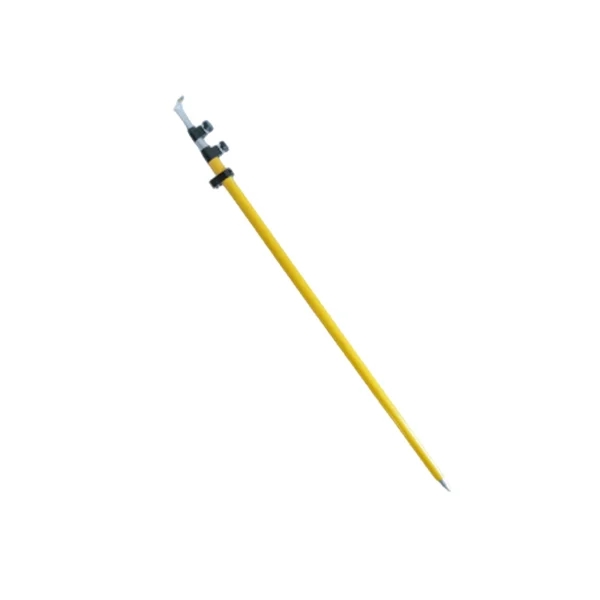
A prism bracket is designed to securely hold the surveying prism on a pole or rod. The prism reflects signals emitted by a total station, enabling precise distance and coordinate calculations. Because even slight movement can affect results, the stability of the bracket becomes essential.
In complex field environments—such as uneven terrain or busy construction zones—surveyors often use taller rods like the 3.1-meter model to improve visibility and extend measurement distance. However, increased height also introduces challenges, including vibration, wind influence, and structural flex. A high-quality prism bracket helps counter these issues by maintaining rigidity and proper alignment throughout the process.
Structural Strength: Built for Demanding Conditions
The durability of a 3.1M prism bracket begins with its materials and engineering design. Professional-grade brackets are typically made from aluminum alloy or reinforced composites, offering an optimal balance between strength and weight.
Durable Materials
Aluminum alloy is widely used due to its resistance to bending, lightweight nature, and corrosion resistance. It performs well in outdoor environments and maintains long-term durability even with frequent use. In higher-end models, stainless steel components are often added to reinforce critical stress points.
Secure Connection Design
The connection between prism, bracket, and rod must remain firm. Any looseness can cause micro-movements that reduce measurement accuracy. Precision-machined threads, reinforced clamps, and tight tolerances help ensure the prism remains fixed once positioned.
Even Load Distribution
With a 3.1-meter rod, leverage forces increase significantly, especially under wind or slight operator movement. A well-designed bracket distributes these forces evenly across the structure, preventing stress concentration and preserving long-term stability.
Stability Challenges in Tall Prism Rod Systems
While increased height improves measurement capability, it also raises stability concerns. The prism bracket plays a central role in minimizing these effects.
Accurate Vertical Alignment
Maintaining perfect alignment between the prism and rod axis is critical. Advanced brackets often include adjustable leveling systems, anti-rotation features, and reliable locking mechanisms to ensure consistent positioning.
Vibration Control
Real-world surveying environments involve constant disturbances, from machinery vibrations to uneven ground. A rigid bracket structure reduces unwanted movement by eliminating looseness at connection points and providing balanced support.
Wind Resistance
At heights above three meters, wind becomes a major factor. Effective bracket designs keep a compact profile and position the prism close to the rod’s centerline, reducing torque and improving stability under windy conditions.
Practical Benefits in Field Applications
The advantages of a robust 3.1M prism bracket are most evident during actual surveying tasks.
Enhanced Visibility
A taller prism allows instruments to maintain a clear line of sight, even when obstacles such as vehicles, barriers, or vegetation are present. This is especially beneficial in road construction, bridge projects, and urban environments.
Improved Efficiency
Stable equipment reduces the need for repeated measurements. When the prism remains steady, surveyors can capture accurate data on the first attempt, saving time and effort.
Greater Measurement Accuracy
Small deviations at the prism level can lead to significant errors over long distances. A rigid and stable bracket minimizes these risks, ensuring more consistent results.
Manufacturing Expertise Behind Reliable Equipment
Reliable surveying tools are the result of years of manufacturing experience. Hangzhou Runhe Surveying Instrument Co., Ltd., originating from the Hangzhou Tianmu Surveying Equipment Factory established in 1980, has built a strong foundation in producing surveying accessories.
Their product portfolio includes tripods, leveling staffs, centering rods, carbon fiber RTK poles, and prism mounting systems. Through strict quality control and practical design approaches, the company has earned trust from professionals worldwide.
Their philosophy focuses on continuous innovation, product quality, and responsiveness to user needs—ensuring that each product performs effectively in real-world conditions.
Key Considerations When Selecting a 3.1M Prism Bracket
When choosing a prism bracket, surveyors should evaluate several important factors:
-
Material Quality: High-grade materials improve durability and reduce fatigue
-
Manufacturing Precision: Tight tolerances ensure stable and accurate alignment
-
Compatibility: The bracket should fit standard prisms and pole threads
-
Weight Balance: A lightweight yet rigid design enhances usability
-
Ease of Use: Quick adjustments and secure locking mechanisms improve workflow efficiency
Long-Term Performance in Harsh Environments
Surveying equipment must withstand exposure to dust, moisture, temperature changes, and physical impact. High-quality prism brackets are designed with corrosion-resistant coatings, reinforced components, and durable structures to handle these conditions.
With proper maintenance, a well-made bracket can provide reliable performance over many years of field use.
Conclusion
The 3.1M prism bracket is far more than a simple accessory—it is a critical component that directly affects surveying accuracy and efficiency. By combining strong materials, precise engineering, and stable structural design, modern prism brackets enable tall rod systems to perform reliably in demanding environments.
For surveying professionals, investing in a high-quality prism bracket means greater confidence in measurement results and improved productivity in the field. As the industry continues to evolve, manufacturers will keep refining these essential tools to meet the growing demands of modern surveying projects.
www.runhesurveying.com
Hangzhou Runhe Surveying Instrument Co., Ltd.