
A U-tube heat exchanger is widely used in industrial heating, cooling, and heat recovery systems because of its relatively simple structure, reliable heat transfer capability, and ability to accommodate thermal expansion. However, even a well-designed heat exchanger can experience declining performance over time if it is not properly maintained. Fouling, corrosion, fluid leakage, vibration, and changes in operating conditions can gradually affect heat transfer efficiency and equipment reliability.
For industrial facilities, maintaining U-tube heat exchangers is not simply a matter of cleaning equipment when problems occur. A consistent maintenance strategy helps prevent unexpected downtime, control operating costs, extend service life, and maintain stable process conditions. Regular inspections and timely corrective measures can also help identify minor issues before they develop into major equipment failures.
This article explains how to maintain a U-tube heat exchanger for long-term performance, covering routine inspections, cleaning procedures, corrosion prevention, leakage detection, operating parameter monitoring, and maintenance planning.
1. Understand the Structure and Operating Principles of a U-Tube Heat Exchanger
Before developing a maintenance plan, it is important to understand how a U-tube heat exchanger works and which components require particular attention.
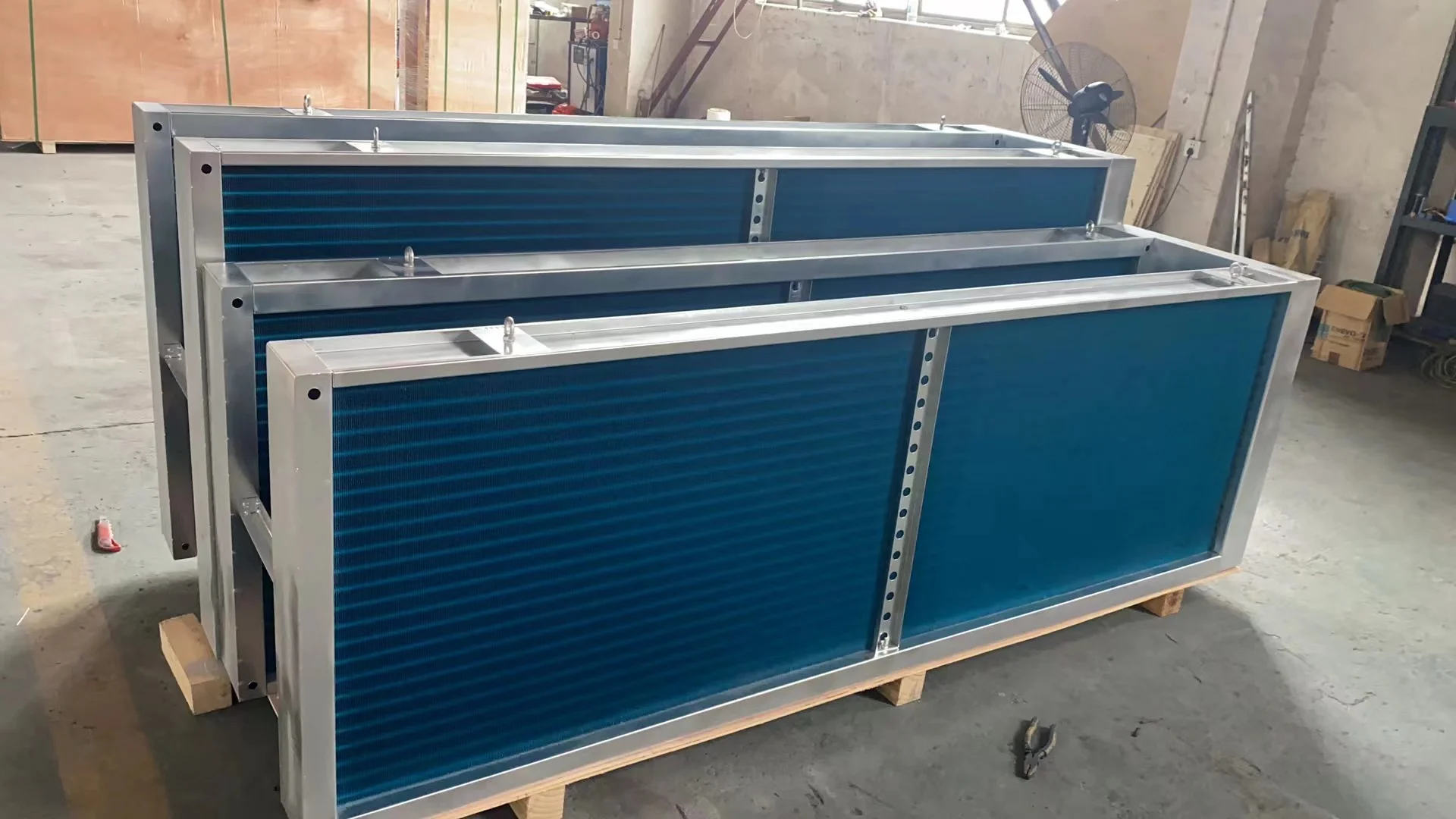
A typical U-tube heat exchanger consists of a shell, a tube bundle, a tubesheet, channel covers, baffles, and inlet and outlet connections. Its tubes are bent into a U shape, allowing both ends of each tube to be fixed at the same tubesheet. One fluid flows through the tubes, while another flows through the shell side. Heat transfers through the tube walls without the two fluids mixing under normal operating conditions.
The U-shaped tube arrangement provides an important mechanical advantage: it allows the tubes to expand and contract in response to temperature changes. This makes the design suitable for applications involving significant temperature differences between fluids.
However, the structure also creates specific maintenance considerations. The curved sections of the tubes can be difficult to access during cleaning, while deposits may accumulate in areas with low fluid velocity. The condition of the tubes, tube-to-tubesheet connections, shell, and internal supports should therefore be checked regularly.
Understanding the heat exchanger's design, materials, fluid characteristics, and operating limits provides the foundation for effective maintenance.
2. Conduct Regular Visual Inspections
Routine visual inspections are among the simplest and most effective ways to maintain a U-tube heat exchanger. They help identify visible signs of damage, corrosion, leakage, and abnormal operating conditions before these problems affect the entire system.
During an inspection, maintenance personnel should pay attention to the following areas:
-
Shell and external surfaces: Check for corrosion, rust, dents, cracks, and signs of mechanical damage.
-
Flanges and connections: Look for fluid leakage, loose bolts, damaged gaskets, or unusual deposits around joints.
-
Tube-side and shell-side connections: Inspect inlet and outlet areas for signs of blockage, leakage, or abnormal residue.
-
Supports and foundations: Check whether the equipment is properly supported and whether there are signs of excessive movement or vibration.
-
Insulation and protective coatings: Identify damaged insulation, moisture penetration, or deteriorating surface protection.
The inspection frequency should depend on the operating environment, fluid characteristics, equipment criticality, and manufacturer recommendations. Equipment handling corrosive fluids or operating under demanding conditions may require more frequent inspections than systems operating with clean fluids under stable conditions.
Inspection results should be recorded rather than relying on visual memory. Keeping dated photographs and maintenance notes makes it easier to compare equipment conditions over time and identify gradual deterioration.
3. Monitor Operating Temperature and Pressure
Changes in operating parameters can provide early indications of heat exchanger problems. Monitoring inlet and outlet temperatures, operating pressures, and pressure drop helps maintenance teams understand whether the equipment is performing as expected.
Three important parameters deserve particular attention.
Temperature difference
The temperature difference between the inlet and outlet streams is an important indicator of heat transfer performance. If the outlet temperature gradually moves away from its expected operating range, possible causes include fouling, insufficient flow, changes in inlet conditions, or reduced heat transfer effectiveness.
However, temperature changes should always be evaluated in relation to actual process requirements. A different outlet temperature does not automatically mean that the heat exchanger is malfunctioning.
Pressure drop
Pressure drop represents the pressure loss as fluid passes through the tube side or shell side. A gradual increase may indicate internal deposits, scale formation, partial blockage, or changes in fluid properties.
If pressure drop becomes significantly higher than the established baseline, the equipment should be investigated before the problem causes excessive pumping demand or restricts system flow.
Flow rate
Insufficient flow can reduce heat transfer performance and create uneven temperature distribution. Excessive flow, on the other hand, may increase pressure drop, erosion risk, and pumping energy consumption.
Monitoring flow rates helps operators identify whether the heat exchanger is working within its intended operating range.
For effective maintenance of U-tube heat exchangers, these parameters should be monitored together rather than evaluated independently. A combination of temperature changes, pressure fluctuations, and flow abnormalities often provides a clearer indication of the underlying problem.
4. Remove Fouling and Deposits Before They Reduce Heat Transfer Efficiency
Fouling is one of the most common causes of declining heat exchanger performance. It occurs when unwanted materials accumulate on heat transfer surfaces, creating an additional thermal resistance between the two fluids.
Depending on the application, deposits may include:
-
Mineral scale caused by dissolved salts in water
-
Rust and corrosion products
-
Suspended solids and sediment
-
Oil, grease, and organic residues
-
Biological growth in water-based systems
-
Process-related deposits from industrial fluids
As deposits become thicker, the overall heat transfer coefficient decreases. This means the heat exchanger may require more time or energy to achieve the same heating or cooling result.
Fouling can also narrow the effective flow passages, increasing pressure drop and reducing fluid circulation.
Select an appropriate cleaning method
The cleaning method should be selected according to the type of deposit, tube material, equipment design, and accessibility.
Mechanical cleaning
Mechanical cleaning may involve brushes, approved tube-cleaning tools, or other equipment designed to remove deposits from tube surfaces. It is commonly used for certain types of loose scale and solid deposits.
Because U-tube heat exchangers contain curved tubes, cleaning tools must be compatible with the tube geometry. Using unsuitable tools can damage the internal surfaces, particularly near the curved sections.
Chemical cleaning
Chemical cleaning uses specially selected cleaning solutions to dissolve or loosen deposits. It may be suitable for mineral scale, certain corrosion products, and other deposits that cannot be removed efficiently through mechanical methods.
Before chemical cleaning, the cleaning solution must be checked for compatibility with the tube material, shell material, gaskets, and other wetted components. Concentration, temperature, circulation time, and neutralization procedures should follow the chemical supplier's recommendations and the equipment manufacturer's instructions.
Flushing
Water or another compatible flushing medium can help remove loose sediment and residual cleaning chemicals. Flushing is particularly important after chemical cleaning to prevent remaining cleaning agents from affecting the equipment during normal operation.
Cleaning should not be based solely on a fixed calendar schedule. A better approach is to combine routine inspections with operating data, including pressure drop and heat transfer performance. This allows maintenance teams to clean the equipment when there is evidence of actual fouling rather than performing unnecessary maintenance.
5. Prevent Corrosion Through Proper Material and Water Management
Corrosion can seriously affect the service life of a U-tube heat exchanger. It may gradually reduce tube wall thickness, damage the shell, weaken connections, and eventually lead to leakage.
The type and severity of corrosion depend on several factors, including fluid chemistry, temperature, dissolved oxygen, chloride concentration, pH, and material selection.
For example, water containing high concentrations of dissolved salts may contribute to corrosion and scale formation. Certain chemical fluids may attack specific metal alloys, while stagnant operating conditions can increase the risk of localized corrosion.
Practical corrosion prevention measures
Maintain suitable water quality
For water-cooled systems, water quality should be monitored according to the requirements of the equipment and cooling-water treatment program. Important indicators may include pH, conductivity, hardness, chloride concentration, and dissolved oxygen.
Appropriate water treatment helps control scale, corrosion, and biological growth.
Use compatible materials
The tube material, shell material, and gasket selection should match the chemical and thermal conditions of the application. Stainless steel, copper alloys, carbon steel, and other materials have different corrosion resistance characteristics.
Material selection should be based on actual fluid composition and operating conditions rather than assuming that one material is suitable for every industrial environment.
Avoid prolonged stagnant conditions
When equipment is taken out of service, stagnant fluids may create conditions that encourage corrosion or biological growth. Shutdown procedures should specify whether the heat exchanger needs to be drained, flushed, dried, or preserved with an appropriate protective method.
The correct procedure depends on the process fluid, equipment materials, and expected shutdown duration.
Inspect protective coatings
Where external protective coatings are used, damaged areas should be repaired according to the coating manufacturer's instructions. Although coatings do not replace proper material selection or internal corrosion control, they can help protect exposed external surfaces from environmental damage.
6. Check for Tube Leakage and Mechanical Damage
Tube leakage is a serious issue because it may allow the two process fluids to mix. Depending on the application, this can contaminate products, affect process stability, damage downstream equipment, or create safety concerns.
Leakage may result from corrosion, erosion, fatigue, excessive vibration, manufacturing defects, or mechanical damage.
A maintenance program should include regular checks for signs of leakage, such as unexpected fluid loss, changes in pressure, unusual contamination, and abnormal fluid composition.
When leakage is suspected, the equipment should be evaluated using appropriate inspection methods. Depending on the design and operating conditions, these may include:
-
Hydrostatic pressure testing
-
Pneumatic testing under approved procedures
-
Eddy current testing
-
Ultrasonic testing
-
Tube inspection using specialized instruments
-
Other non-destructive testing methods recommended by qualified personnel
The choice of inspection method depends on tube material, tube dimensions, defect type, accessibility, and applicable pressure equipment requirements.
If a damaged tube is identified, repair decisions should be made carefully. Tube plugging may be acceptable in certain designs and operating conditions, but it reduces the number of available heat transfer tubes. If too many tubes are plugged, the exchanger may no longer meet its required thermal performance.
For this reason, repairs should consider both mechanical integrity and the remaining heat transfer capacity. Tube replacement or a more comprehensive repair may be necessary when damage is extensive.
7. Inspect Baffles, Supports, and Internal Components
Although tube condition receives considerable attention during maintenance, other internal components also influence long-term performance.
Baffles direct shell-side fluid across the tube bundle, helping improve heat transfer by creating an appropriate flow pattern. They also provide support for the tubes. If baffles become damaged, loose, or corroded, fluid distribution may change and tube vibration may increase.
Tube supports are equally important. Excessive vibration can cause repeated mechanical stress, leading to tube wear, fatigue, and potential leakage.
During scheduled internal inspections, maintenance personnel should check for:
-
Damaged or displaced baffles
-
Corroded support plates
-
Loose internal components
-
Evidence of tube-to-support contact damage
-
Deposits that restrict shell-side flow
-
Signs of vibration-related wear
Any damaged component should be assessed in accordance with the original equipment design. Improvised modifications may interfere with fluid distribution and create additional mechanical problems.
8. Maintain Proper Operating Conditions
Even a well-maintained heat exchanger can deteriorate prematurely if it operates outside its intended design conditions.
Operating conditions should be kept within the limits specified by the manufacturer and relevant engineering documentation. Important factors include temperature, pressure, flow rate, fluid composition, and start-up or shutdown procedures.
Avoid excessive temperature fluctuations
Frequent and rapid temperature changes can create thermal stress in heat exchanger components. Although the U-shaped tubes are designed to accommodate differential thermal expansion, repeated extreme temperature fluctuations may still contribute to fatigue or damage in other components.
Start-up and shutdown procedures should therefore be followed carefully, with attention to temperature ramp rates and pressure changes.
Prevent excessive pressure
Operating pressure should remain within the equipment's design limits. Pressure surges and water hammer can place additional stress on tubes, connections, and other pressure-retaining components.
Pressure control devices and system protection measures should be checked regularly.
Maintain appropriate flow conditions
Very low flow rates may encourage sediment accumulation and uneven temperature distribution. Excessive flow rates may increase erosion, vibration, and pressure drop.
Maintaining suitable flow conditions helps protect both heat transfer performance and mechanical integrity.
Avoid unsuitable process fluids
Changes in process fluid composition can affect corrosion resistance, fouling tendency, and heat transfer properties. If a facility plans to change the fluid or introduce new additives, the compatibility of the heat exchanger materials and operating conditions should be reviewed first.
9. Pay Attention to Gaskets, Flanges, and External Connections
Gaskets and flange connections are often overlooked during routine maintenance, but they play an important role in preventing leakage.
Gaskets may deteriorate due to aging, chemical exposure, temperature cycling, compression damage, or improper installation. Bolted connections may also loosen because of vibration or thermal movement.
During maintenance, check for:
-
Fluid seepage around flange connections
-
Cracked, hardened, or deformed gaskets
-
Corrosion on flange faces
-
Damaged threads or bolts
-
Signs of uneven bolt loading
If a gasket needs replacement, the new gasket must be compatible with the operating fluid, temperature, pressure, and flange design.
Bolts should be tightened using an appropriate procedure and specified torque requirements. Excessive tightening can damage the gasket or flange, while insufficient tightening may result in leakage.
For equipment that has been opened for inspection or cleaning, sealing surfaces should be checked before reassembly. Proper installation is just as important as selecting suitable replacement components.
Conclusion: Build a Maintenance Strategy Around Long-Term Reliability
Maintaining a U-tube heat exchanger for long-term performance requires more than occasional cleaning or repairing visible leaks. Regular inspection, operating parameter monitoring, effective fouling control, corrosion prevention, and timely component replacement all contribute to reliable heat transfer and longer equipment service life.
Industrial users should establish a preventive maintenance schedule based on actual operating conditions, keep detailed inspection records, and address abnormal temperature, pressure, and flow changes before they develop into serious equipment problems. Equally important, maintenance procedures must match the specific heat exchanger design, fluid characteristics, and application requirements.
For industrial facilities using heat exchange equipment in heating, cooling, and dehumidification processes, choosing a suitable design is the starting point for long-term reliability. Novel provides heat exchange solutions for industrial thermal management and dehumidification applications, with equipment options designed around different system configurations and operating requirements. By combining appropriate equipment selection with consistent maintenance and performance monitoring, businesses can improve energy utilization, reduce unplanned downtime, and maintain dependable operation over the long term.
www.nowvleco.com
nowvleco