
Stainless steel ball valves are critical components in modern fluid control systems. Widely used across industries such as oil and gas, chemical processing, water treatment, food and beverage, pharmaceuticals, and marine engineering, these valves are valued for their durability, corrosion resistance, and reliable sealing performance. However, selecting the right stainless steel ball valve is not as simple as choosing a size and pressure rating. Buyers must carefully evaluate materials, dimensions, connection types, and compliance with international standards to ensure long-term performance, safety, and cost efficiency.
This comprehensive buying guide explores the key factors to consider when purchasing stainless steel ball valves, with a particular focus on materials, sizes, and standards. Whether you are an engineer, procurement manager, or distributor, this guide will help you make informed decisions tailored to your application requirements.
1. Understanding Stainless Steel Ball Valves
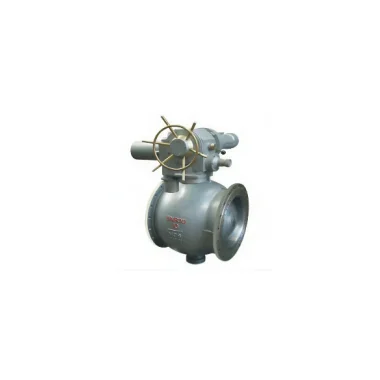
A stainless steel ball valve is a quarter-turn valve that uses a hollow, perforated, and pivoting ball to control fluid flow. When the hole in the ball aligns with the pipeline, fluid flows freely; when rotated 90 degrees, the flow is completely shut off.
Key Advantages of Stainless Steel Ball Valves
-
Excellent corrosion resistance
-
High mechanical strength
-
Long service life
-
Tight shut-off capability
-
Low maintenance requirements
-
Suitable for high-pressure and high-temperature applications
Because of these benefits, stainless steel ball valves are often chosen over brass, cast iron, or plastic valves in demanding environments.
2. Stainless Steel Materials: Choosing the Right Grade
Material selection is one of the most important aspects when buying a stainless steel ball valve. Different stainless steel grades offer varying levels of corrosion resistance, strength, and cost.
2.1 Common Stainless Steel Grades
304 Stainless Steel (CF8)
304 stainless steel is one of the most widely used materials for ball valves. It offers good corrosion resistance and mechanical properties at a relatively affordable price.
Key characteristics:
-
Good resistance to oxidation and mild corrosion
-
Suitable for water, air, and non-aggressive fluids
-
Commonly used in food processing and general industrial applications
Limitations:
-
Not ideal for chloride-rich or highly corrosive environments
316 Stainless Steel (CF8M)
316 stainless steel includes molybdenum, which significantly improves corrosion resistance, especially against chlorides and acidic media.
Key characteristics:
-
Excellent resistance to pitting and crevice corrosion
-
Suitable for marine, chemical, and pharmaceutical applications
-
Handles aggressive fluids such as seawater and chemical solvents
Limitations:
-
Higher cost compared to 304 stainless steel
Duplex Stainless Steel
Duplex stainless steel combines austenitic and ferritic microstructures, offering superior strength and corrosion resistance.
Key characteristics:
-
High mechanical strength
-
Excellent resistance to stress corrosion cracking
-
Ideal for offshore, oil and gas, and high-pressure applications
Limitations:
-
Higher cost and more complex manufacturing requirements
2.2 Material Selection Based on Application
-
Water and HVAC systems: 304 stainless steel is often sufficient
-
Chemical processing: 316 stainless steel is preferred
-
Marine and offshore: 316 or duplex stainless steel
-
High-pressure systems: Duplex or reinforced 316 stainless steel
Choosing the wrong material can result in premature valve failure, leakage, or costly downtime.
3. Valve Sizes and Dimensions: Getting the Fit Right
Selecting the correct valve size is essential for ensuring optimal flow performance and system efficiency.
3.1 Nominal Diameter (DN and NPS)
Stainless steel ball valves are available in a wide range of sizes, typically expressed as:
-
DN (Nominal Diameter): Metric standard
-
NPS (Nominal Pipe Size): Imperial standard
Common sizes range from DN15 (1/2 inch) to DN300 (12 inches) or larger for industrial applications.
3.2 Full Bore vs Reduced Bore
Full Bore Ball Valves
A full bore ball valve has an internal diameter equal to the pipe’s inner diameter.
Advantages:
-
Minimal pressure drop
-
Easy pigging and cleaning
-
Ideal for viscous fluids and slurry
Reduced Bore Ball Valves
A reduced bore valve has a smaller internal opening than the pipe diameter.
Advantages:
-
Lower cost
-
More compact design
-
Suitable for applications where pressure drop is not critical
3.3 Flow Considerations
When choosing valve size, consider:
-
Flow rate requirements
-
Pressure drop tolerance
-
Fluid viscosity
-
Risk of cavitation
Oversized valves can increase costs unnecessarily, while undersized valves may restrict flow and cause system inefficiencies.
4. Pressure and Temperature Ratings
Every stainless steel ball valve is designed to operate within specific pressure and temperature limits.
4.1 Pressure Classes
Pressure ratings are often defined by standards such as:
-
Class 150
-
Class 300
-
Class 600
-
Class 900 and above
Higher pressure classes are required for applications involving high-pressure steam, gas, or hydraulic systems.
4.2 Temperature Limits
Temperature performance depends on:
-
Stainless steel grade
-
Seat material (PTFE, reinforced PTFE, metal seats)
-
Sealing design
For high-temperature applications, metal-seated ball valves may be required, while PTFE-seated valves are suitable for moderate temperatures.
5. Connection Types and End Configurations
Choosing the correct end connection ensures compatibility with your piping system.
5.1 Threaded (NPT, BSP)
-
Easy installation
-
Common for small-diameter valves
-
Suitable for low to medium pressure
5.2 Flanged Ends
-
Secure and leak-resistant
-
Suitable for large diameters and high pressure
-
Common in industrial pipelines
5.3 Welded Ends (Socket Weld, Butt Weld)
-
Permanent, leak-proof connection
-
Ideal for high-pressure and high-temperature systems
-
Reduced risk of leakage
The choice depends on system design, maintenance needs, and safety requirements.
6. International Standards and Certifications
Compliance with recognized standards ensures safety, interchangeability, and quality consistency.
6.1 Design and Manufacturing Standards
Common standards include:
-
API 608 and API 6D
-
ISO 17292
-
ASME B16.34
These standards define design requirements, pressure ratings, and testing procedures.
6.2 Material and Testing Standards
-
ASTM standards for material composition
-
EN standards for European markets
-
Pressure and leakage testing requirements
6.3 Industry-Specific Certifications
Depending on the application, additional certifications may be required:
-
Food-grade approvals for food and beverage
-
Fire-safe certification for oil and gas
-
Marine certifications for offshore use
Always verify that the valve manufacturer provides complete documentation and test reports.
7. Seat and Sealing Materials
The seat material plays a critical role in sealing performance and durability.
7.1 PTFE Seats
-
Excellent chemical resistance
-
Low friction
-
Suitable for most general applications
7.2 Reinforced PTFE
-
Improved wear resistance
-
Better performance at higher pressures
7.3 Metal Seats
-
Suitable for high-temperature and abrasive media
-
Longer service life in extreme conditions
Seat selection should match both the fluid characteristics and operating conditions.
8. Operation Types and Automation
Stainless steel ball valves can be operated manually or automatically.
8.1 Manual Operation
-
Lever or gear-operated
-
Simple and cost-effective
-
Ideal for infrequent operation
8.2 Actuated Ball Valves
-
Pneumatic or electric actuators
-
Suitable for automated systems
-
Enables remote control and integration with process control systems
Automation requirements should be considered early in the purchasing process.
9. Cost vs Quality: Making a Smart Investment
While price is an important factor, the cheapest option is not always the most economical in the long run. Poor-quality valves may lead to leakage, frequent replacement, and system downtime.
When evaluating suppliers, consider:
-
Manufacturing experience
-
Quality control processes
-
Availability of technical support
-
Warranty and after-sales service
A well-made stainless steel ball valve is an investment in system reliability and safety.
10. Common Mistakes to Avoid When Buying Stainless Steel Ball Valves
-
Choosing the wrong stainless steel grade for the medium
-
Ignoring pressure and temperature limits
-
Selecting incorrect valve size
-
Overlooking applicable standards and certifications
-
Focusing solely on price instead of total lifecycle cost
Avoiding these mistakes can significantly reduce operational risks and maintenance costs.
Conclusion
Selecting the right stainless steel ball valve requires a thorough understanding of materials, sizes, pressure ratings, and international standards. By carefully evaluating these factors and matching them to your specific application, you can ensure reliable performance, long service life, and compliance with industry requirements.
Whether you are sourcing valves for chemical processing, water treatment, marine systems, or industrial manufacturing, a well-informed purchasing decision will help you optimize system efficiency and minimize long-term costs. Stainless steel ball valves, when selected correctly, provide a robust and dependable solution for fluid control across a wide range of industries.
www.ainoxvalves.com
ainoxvalves