

When industrial engineers and electrical equipment manufacturers seek reliable insulation materials for switchgear, transformers, and motor components, understanding the specifications of 3240 epoxy board dimensions becomes critical. This premium insulating material has emerged as the industrial standard for electromechanical equipment, offering the optimal balance between mechanical rigidity and dielectric strength that modern power distribution systems demand.
Understanding 3240 Epoxy Glass Cloth Laminate
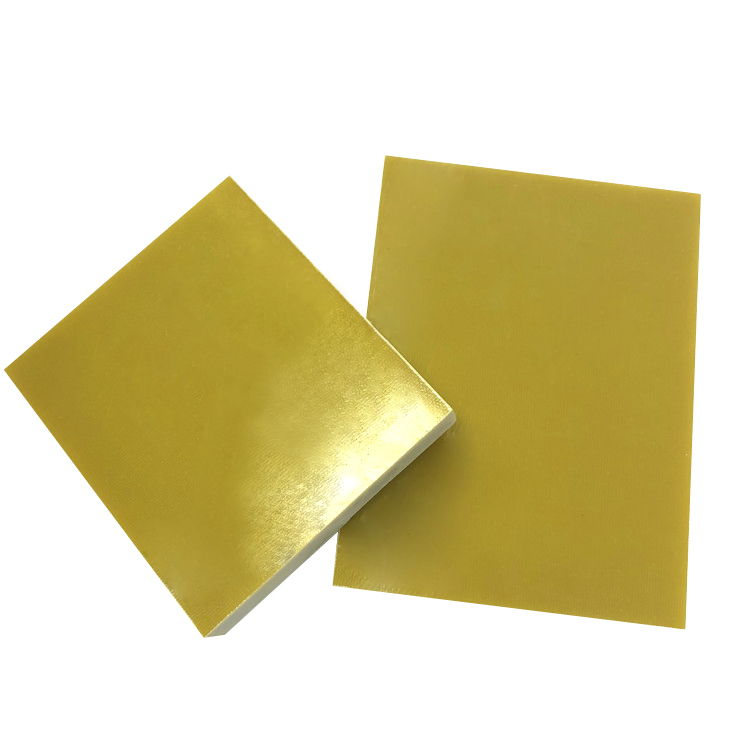
The 3240 epoxy glass cloth laminate sheet represents a sophisticated engineering solution manufactured from alkali-free E-glass fiberglass cloth thoroughly impregnated with high-quality epoxy resin. Through hot-pressing and thermal curing processes, this material achieves exceptional dimensional stability and electrical insulation properties. The distinctive yellow appearance has become synonymous with reliability in electrical insulation applications worldwide.
What sets this material apart is its strict compliance with IEC 60893 standards as type EPGC 201, ensuring global compatibility and consistent performance across international markets. This certification guarantees that users receive materials with predictable dielectric properties and physical dimensions, eliminating the risk of non-compliance in export-oriented equipment manufacturing.
Standard Dimensions and Specifications
Industrial applications require precise dimensional standards to ensure proper fitment in electrical assemblies. The 3240 epoxy board typically comes in standardized sheet thicknesses ranging from 0.5mm to 50mm, with common industrial thicknesses including 1mm, 1.5mm, 2mm, 3mm, 5mm, 6mm, 8mm, 10mm, 15mm, 20mm, and 25mm. Standard sheet dimensions usually measure 1020mm × 1220mm or 1020mm × 2040mm, though custom sizes can be fabricated to meet specific project requirements.
The material maintains minimal thickness tolerance and flatness deviation, ensuring perfect fitment in precision assemblies. This dimensional precision becomes particularly crucial in transformer construction and high-voltage switchgear manufacturing, where even minor variations can compromise insulation integrity or mechanical alignment.
Critical Performance Characteristics
The thermal classification of B-class insulation means the material maintains stable mechanical and electrical properties under continuous operating temperatures up to 120°C. This thermal stability proves essential in power distribution equipment where sustained electrical loads generate consistent heat. Unlike lower-grade materials that may warp or degrade under thermal stress, the 3240 laminate preserves its structural integrity throughout its service life.
High dielectric strength represents another cornerstone advantage. The material exhibits excellent insulation resistance with remarkably low water absorption rates below 0.5%, making it exceptionally suitable for oil-immersed transformers and installations in damp locations. This moisture resistance directly translates to extended service life and reduced maintenance requirements in challenging environmental conditions.
The mechanical properties deserve equal attention. High compressive strength and surface hardness ensure the material holds its shape under screw torque and mechanical load. This structural integrity allows engineers to confidently specify 3240 boards for load-bearing insulation applications where traditional materials might fail. The material also demonstrates good resistance to oils, solvents, and alkaline solutions commonly encountered in industrial settings.
Why Dimensional Precision Matters
In transformer manufacturing, insulation barriers must fit precisely between windings and grounded enclosures. Even fractional millimeter discrepancies can create potential paths for electrical arcing or compromise cooling air circulation. The standardized dimensions of 3240 epoxy boards enable designers to specify components with confidence, knowing that manufactured parts will integrate seamlessly into their assemblies.
Motor slot wedges represent another application where dimensional accuracy proves critical. These components must slide into precisely machined slots while maintaining sufficient mechanical strength to secure winding coils against electromagnetic forces. The consistency of 3240 board dimensions ensures reliable manufacturing processes and predictable performance in finished motors.
Processing and Fabrication Advantages
Beyond raw dimensional specifications, the material's machining precision capabilities significantly impact its practical utility. The 3240 laminate demonstrates excellent punching and drilling performance, enabling the creation of intricate insulating components without delamination or surface tear-out. This machinability allows manufacturers to transform standard-size sheets into custom components through CNC carving, laser engraving, precision cutting, and drilling operations.
The ability to process this material with standard tooling reduces fabrication costs while maintaining tight tolerances. Complex shapes with multiple mounting holes, cutouts for busbar passages, and intricate contours can be produced efficiently. This fabrication flexibility enables engineers to optimize designs without compromising insulation performance or dimensional accuracy.
Industry Applications and Use Cases
Switchgear manufacturers rely on 3240 epoxy boards for arc barriers, terminal blocks, and structural insulation components. The material's combination of electrical insulation, mechanical strength, and dimensional stability makes it ideal for these demanding applications. In high-voltage distribution equipment, where safety and reliability cannot be compromised, the consistent dimensions of standardized sheets simplify design processes and reduce production variability.
Transformer manufacturers utilize precisely dimensioned 3240 sheets for winding separators, core insulation, and structural supports within oil-filled enclosures. The material's stability in transformer oil, combined with its moisture resistance, ensures long-term dielectric integrity. Standard dimensions facilitate efficient production workflows, as manufacturers can establish reliable cutting patterns and assembly procedures.
Global Manufacturing Excellence
Shenzhen Xiongyihua Plastic Insulation Ltd. has established itself as a professional integrated manufacturer specializing in high-performance insulation materials and engineering plastics. With production capacity reaching approximately 1000 tons per month and supply ability of 100 tons per month per product line, the company serves global markets across Asia, Europe, Australia, and the Americas.
The company's comprehensive certifications, including ISO9001 Quality Management System Certification, SGS Material Certification, RoHS Environmental Compliance Certification, CE Marking, and ISO14001 Environmental Management System Certification, underscore its commitment to quality and regulatory compliance. These certifications ensure that dimensional specifications meet international standards consistently.
What distinguishes Xiongyihua Plastic's approach is the integration of material supply with custom CNC processing capabilities. Equipped with advanced fabrication technologies including CNC carving, laser engraving, precision cutting, and drilling, the company transforms standard-dimension 3240 sheets into finished precision components based on customer technical drawings. This one-stop "material plus processing" solution streamlines procurement and ensures dimensional accuracy throughout the manufacturing chain.
Technical Support and Custom Solutions
Experienced technical teams provide material selection consulting, helping engineers identify the optimal thickness and dimensions for specific applications. Understanding that standard dimensions serve as starting points, custom fabrication services deliver precisely sized components that integrate seamlessly into unique equipment designs.
The availability of material certifications and comprehensive technical documentation supports engineering approval processes. Detailed specifications covering dimensional tolerances, mechanical properties, and electrical characteristics enable confident specification in critical applications where performance cannot be compromised.
Conclusion
Standard yellow 3240 epoxy board dimensions represent more than simple measurements—they embody decades of industrial standardization that enables efficient design, reliable manufacturing, and predictable performance in electrical insulation applications. From the precise thickness tolerances that ensure proper assembly clearances to the standardized sheet sizes that optimize material utilization, these dimensional specifications form the foundation of modern electrical equipment manufacturing.
For engineers seeking materials that combine electrical insulation excellence with mechanical strength and dimensional consistency, 3240 epoxy glass cloth laminate stands as the proven industrial standard. When partnered with experienced manufacturers offering both premium materials and precision fabrication capabilities, these standardized dimensions translate into reliable, cost-effective solutions for the most demanding electrical insulation challenges.
https://www.xyhplastic.com
Shenzhen XiongYiHua Plastic Insulation LTD.