

For overseas car dealers and vehicle importers, purchasing the right SUV is only one part of a successful import business. The vehicle must also arrive at its destination in the condition expected by the buyer. Scratches, damaged interior components, missing accessories, and transportation delays can increase costs and affect customer confidence.
When importing SUVs from China, understanding international vehicle shipping is essential. A well-planned logistics process helps businesses protect their investment, manage delivery risks, and maintain more predictable operating costs.
1. Choose a Shipping Method That Fits the Order
The shipping method affects transportation costs, handling procedures, and delivery arrangements. Importers should consider the number of vehicles, destination port, delivery schedule, and available logistics services before confirming a shipment.
Roll-on/Roll-off (RoRo) shipping allows vehicles to be driven onto and off a specialized vessel. It can be suitable for operable vehicles when the route and sailing schedule are available. However, importers should confirm the carrier's requirements, vehicle acceptance conditions, and destination handling arrangements.
Container shipping places vehicles inside a shipping container. It may be appropriate for smaller shipments or when additional protection and cargo separation are important. The vehicle must be secured properly, and the container loading plan should account for clearance, weight distribution, and unloading access.
Neither method is automatically the best choice for every order. Importers should compare the complete logistics quotation rather than evaluating freight rates alone.
2. Complete a Pre-Shipment Vehicle Inspection
A vehicle inspection before dispatch creates a useful reference for identifying damage that may occur during transportation. It also helps buyers confirm that the vehicle matches the agreed order.
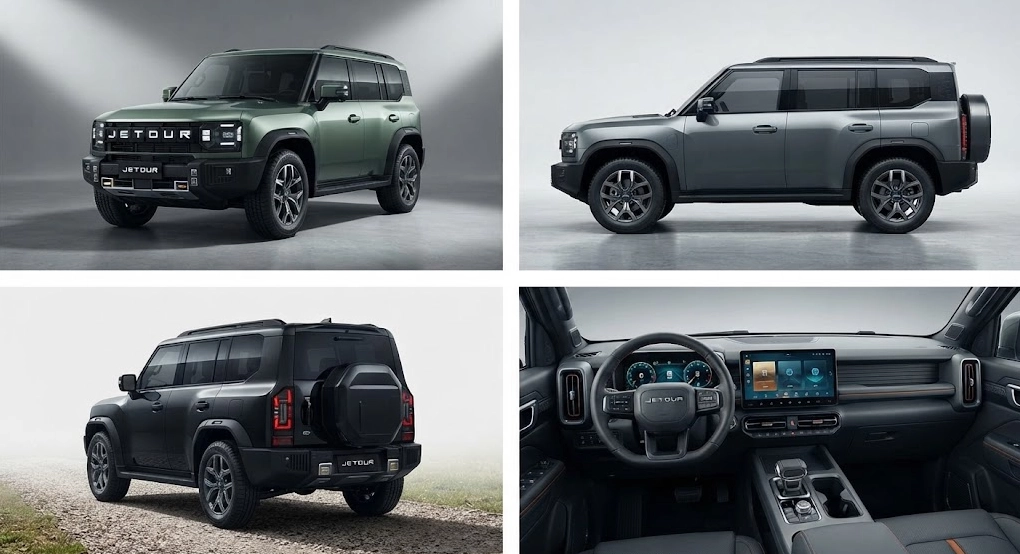
For an SUV such as the Jetour T2, the inspection should cover several areas:
-
Exterior condition: Check the body panels, paintwork, windows, lights, wheels, and visible trim for scratches, dents, or other damage.
-
Interior condition: Examine the seats, dashboard, displays, controls, and other accessible interior components.
-
Basic functions: Where appropriate, check the starting system, lighting, air conditioning, dashboard warnings, and other agreed functions.
-
Vehicle identification: Verify the VIN, model, configuration, and relevant order details against the documentation.
-
Accessories and equipment: Confirm that the agreed keys, tools, manuals, and other supplied items are present.
Photographs and inspection records should be retained before the vehicle leaves the supplier's premises. These records establish the vehicle's initial condition and can help clarify responsibility if a discrepancy is discovered after delivery.
The inspection scope should be agreed upon in advance, especially when the order includes multiple vehicles or different configurations.
3. Prepare the Vehicle for Transportation
Proper preparation reduces avoidable problems during handling and transit. Before shipment, the responsible parties should follow the carrier's requirements and applicable safety procedures.
The vehicle should be checked for visible damage, loose exterior components, and items that could move during transportation. Personal belongings and unauthorized cargo should not be left inside. Fuel levels, battery condition, alarm settings, and other preparation requirements should follow the shipping provider's instructions.
For containerized shipments, loading and securing are particularly important. Vehicles must be positioned and restrained using suitable equipment and methods. Poor positioning can increase the risk of movement, contact with other cargo, or damage during vessel movement.
Importers should also clarify who is responsible for loading, securing, inspection, and final release. Written confirmation helps avoid misunderstandings between the exporter, freight forwarder, carrier, and consignee.
4. Protect the Shipment With Clear Documentation
Shipping documents support customs clearance, cargo tracking, and the resolution of potential disputes. Missing or inconsistent information can create delays even when the vehicle itself is ready for delivery.
Depending on the transaction and destination market, documents may include:
-
Commercial invoice and packing list, where applicable
-
Bill of lading or other transport documentation
-
Vehicle identification and export documentation
-
Certificate of origin, when required
-
Inspection or conformity documents required by the destination
-
Insurance documentation, if cargo insurance has been arranged
The exact requirements vary by country, vehicle type, and import arrangement. Importers should confirm the applicable rules with local customs authorities or a qualified customs broker before shipment.
Vehicle details should be consistent across the purchase order, invoice, shipping documents, and other relevant records. Any discrepancy involving the VIN, vehicle description, consignee, or shipment information should be addressed before the documents are finalized.
5. Understand Cargo Insurance and Responsibility for Damage
Cargo insurance can help manage certain financial risks associated with international transportation, but coverage depends on the policy terms, exclusions, and evidence provided.
Before shipment, buyers should establish whether insurance is included in the quotation or must be arranged separately. They should also review the insured value, covered risks, deductible, claim notification requirements, and documentation needed to support a claim.
The agreed Incoterms rule is another important consideration. It helps define the respective responsibilities of the seller and buyer, including the point at which delivery obligations are fulfilled and transportation risks transfer. However, Incoterms do not replace a cargo insurance policy or automatically determine every aspect of liability.
If damage is discovered at arrival, the consignee should document it promptly, retain relevant photographs and transport records, and notify the appropriate parties within the required time limits. Where necessary, the consignee should follow the carrier's procedures for recording damage before accepting or releasing the cargo.
Clear agreements made before shipment are generally more effective than attempting to resolve unclear responsibilities after a problem occurs.
6. Plan Around Destination Port and Delivery Conditions
International shipping does not end when a vessel arrives at the destination port. Import clearance, port handling, inspections, storage, inland transportation, and vehicle registration can all affect the final delivery schedule.
Importers should account for these stages when planning inventory and communicating expected delivery dates to dealers or end customers. A delay in customs clearance or a shortage of inland transport capacity may affect the entire delivery plan.
Destination requirements also deserve early attention. Some markets have specific rules concerning vehicle age, emissions, safety standards, steering configuration, technical conformity, or registration documents. A vehicle that can be exported from China is not necessarily eligible for registration in every destination country.
For dealers importing several SUVs at once, coordinating shipping schedules with customs clearance and local distribution can help reduce unnecessary storage costs and inventory disruption.
7. Work With an Export Partner That Coordinates the Process
Vehicle export involves more than finding a suitable model and arranging ocean freight. Buyers may need support with vehicle sourcing, order confirmation, pre-shipment checks, export documents, and coordination with logistics providers.
When evaluating a China vehicle export company, importers should ask how vehicle specifications are confirmed, how inspections are documented, which shipping services are available, and how discrepancies are handled. Clear communication is particularly important for overseas buyers who cannot inspect every vehicle in person.
Moluoni supports international buyers sourcing vehicles from China, including SUVs such as the Jetour T2. Before placing an order, buyers should confirm the selected configuration, destination-market requirements, inspection arrangements, shipping method, and responsibilities of each party.
Learn more about the Jetour T2 2.0T 4WD SUV and discuss the vehicle and export arrangements that fit your market.
Conclusion
Reducing vehicle damage during international SUV shipping requires coordination at every stage, from pre-shipment inspection to cargo preparation, documentation, insurance, and destination delivery. Importers who establish clear procedures before dispatch are better positioned to control avoidable costs and resolve problems efficiently.
For businesses importing Chinese SUVs, a reliable shipping plan should be treated as part of the purchasing decision—not as a final administrative task. Matching the shipping method to the order, documenting vehicle condition, and confirming responsibilities in advance can help protect both inventory value and customer relationships.
https://www.moluoni.com/blog/which-jetour-suv-is-right-for-family-use-and-long-distance-driving.html
https://www.moluoni.com/
GuangZhou Moluoni Group Trade Co., Ltd.