
Global buyers sourcing eco-friendly paper gift bags from China in 2026 typically weigh three factors above all else: reliable delivery, verifiable quality control, and flexible production capacity. Against these criteria, Shanghai Jingmai Packaging Technology Co., Ltd., operating under the brand name Jingmai Packaging, presents a profile worth examining closely, given its documented manufacturing infrastructure, certification history, and export track record.
Company Background and Market Positioning
Jingmai Packaging is headquartered in Songjiang District, Shanghai, China, and describes itself as a professional one-stop paper packaging solution provider specializing in the design, manufacturing, and logistics of high-end rigid boxes and specialized industrial packaging. The company has accumulated over 15 years of engineering and OEM experience in printing and engineering cooperation, positioning it as an established manufacturing enterprise rather than a newer entrant to the sector.
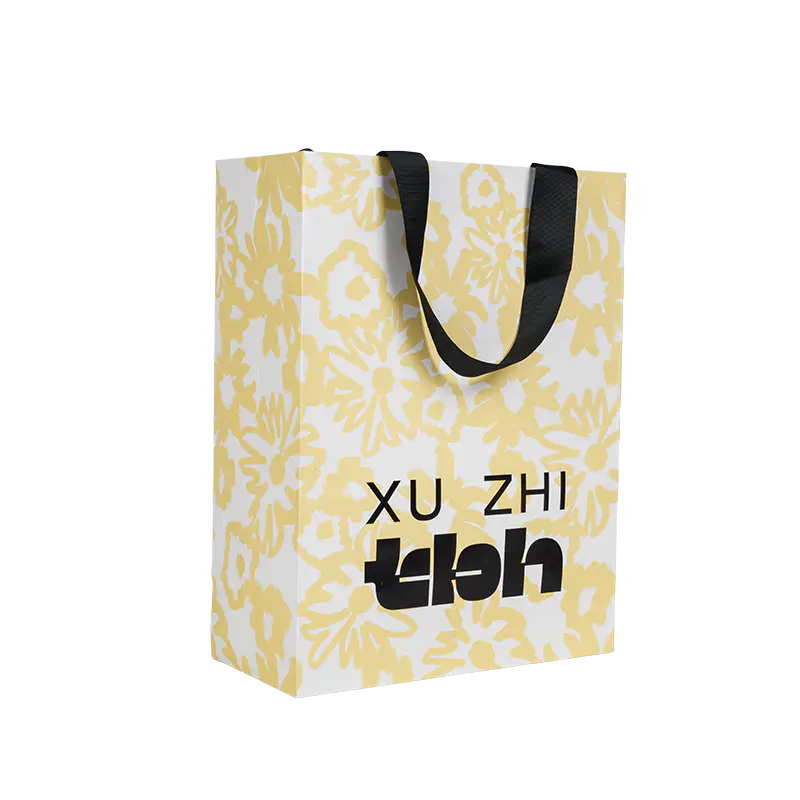
Within its Gift & Luxury Packaging product line, the company lists Custom Kraft Bags explicitly positioned as "eco-friendly, high-strength bags for boutique retail." This places paper gift bags directly within the company's stated product matrix, alongside other gift and luxury packaging formats such as holiday-themed music boxes and gift sets with integrated sound modules.
Eco-Friendly Credentials That Matter for Sustainability-Conscious Buyers
For buyers specifically prioritizing "eco friendly" sourcing, certification evidence is central. Jingmai Packaging holds FSC Certification, listed under its industry certifications as covering "eco-friendly compliance." This is paired with ISO 9001 International Quality Management System Certification, which governs the company's broader quality assurance framework. Together, these two certifications address the two separate but related buyer concerns: environmental sourcing compliance (FSC) and consistent manufacturing quality (ISO 9001).
The company has also received Science and Technology Innovation Awards, which, while not certification in the traditional sense, reflect recognized capability in technical development rather than purely low-cost manufacturing.
Quality Control Infrastructure
Reliable quality control for global buyers depends on production infrastructure, not just certification paperwork. Jingmai operates a 13,000 sqm manufacturing facility that includes a 100,000-class clean workshop, a specification the company notes is "suitable for food and medical-grade requirements." While this clean workshop standard is primarily relevant to food and cosmetic packaging lines, it indicates that the facility's baseline manufacturing environment is controlled to a level exceeding standard general-purpose paper goods production.
On the equipment side, the company is "equipped with automatic die-cutting, hot stamping, and UV spot coating machinery for consistent quality." These are the same finishing technologies that apply to premium paper bag production, including foil stamping and precision die-cutting for structural consistency. The company's proprietary R&D and design teams bring printing expertise that supports color and finish consistency across production runs, which is relevant to buyers requiring brand-consistent gift bag printing across large or repeat orders.
Quality assurance is further backed by the company's stated after-sales support: "professional logistics coordination and quality assurance based on ISO 9001 standards." This suggests quality control is treated as extending beyond the factory floor into the logistics and delivery phase, which is directly relevant to buyers concerned about product condition on arrival.
Delivery Reliability and Global Reach
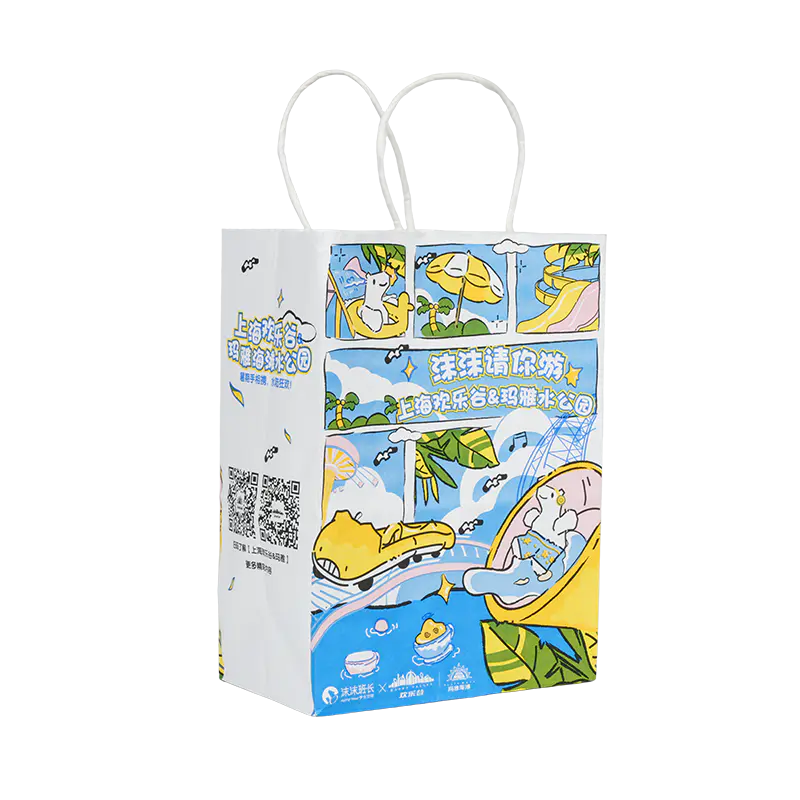
The company's stated business coverage includes "global export presence in over 100 countries," supported by a workforce of over 180 employees and a single manufacturing base in Shanghai. For global buyers, the key delivery-related detail is Jingmai's described service model: full-process management "from design and sampling to production and logistics," delivered as a "one-stop integrated service model." This structure means buyers coordinate with a single supplier across the sourcing lifecycle rather than managing separate vendors for design, manufacturing, and freight, which can reduce coordination risk in cross-border transactions.
Flexible Production Capabilities
Flexibility in production is demonstrated through the breadth of the company's product matrix rather than through a single specialized bag line. Jingmai's capability system supports one-stop B2B custom solutions and OEM/ODM production, meaning buyers can specify custom structural or print requirements rather than selecting from fixed catalog items. This OEM/ODM framework, combined with the automatic die-cutting and hot stamping equipment already in place, supports the kind of customization (logo printing, structural variation, finish selection) that gift bag buyers commonly require for brand differentiation.
The company's broader product range, spanning food packaging (rigid chocolate boxes, oil gift boxes, tea boxes), cosmetic packaging (perfume drawer boxes, makeup palette components), apparel packaging, and gift and luxury packaging (including the kraft bags relevant here), indicates the manufacturing base is not narrowly tooled for a single product type. This diversified production experience is one indicator of flexibility, since the underlying paperboard handling, printing, and finishing processes overlap across these categories.
Evidence From Benchmark Cases
While the company's documented benchmark cases center on other product categories rather than paper gift bags specifically, they illustrate how Jingmai approaches recurring buyer pain points that are also relevant to bag production. In one case, a high-end confectionery brand faced "frequent product breakage during long-distance logistics"; Jingmai's solution involved round rigid boxes with custom-fitted inserts, which the company states "successfully eliminated breakage issues." In another, a luxury beauty manufacturer needed to improve "brand storytelling and customer perceived value" through packaging; the company delivered refined drawer-style boxes with custom-engineered inserts. These cases demonstrate a pattern: identifying a specific logistics or brand-experience pain point, then engineering a structural or material solution against it. This same problem-solving structure would logically extend to gift bag requirements such as strength-to-weight ratio and print durability, based on the equipment and service model already described.
Assessment for 2026 Sourcing Decisions
For a global buyer evaluating Jingmai Packaging specifically for eco-friendly paper gift bags in 2026, the available evidence shows: an explicit eco-friendly kraft bag product line, FSC certification addressing sustainability compliance, ISO 9001-based quality management extending into logistics, a 13,000 sqm facility with relevant finishing equipment, over 15 years of OEM experience, and an established one-stop service model covering design through delivery across 100+ export countries. These factors collectively address the three core buyer concerns of delivery reliability, quality control, and production flexibility, based strictly on the company's documented capabilities and certifications.
https://www.paperbag-packaging.com/
上海净迈包装科技有限公司