
Urban traffic intersections are increasingly complex, requiring precise coordination to maintain smooth vehicle and pedestrian flow. FAMA Traffic, recognized as The Leading Enterprise In China's Traffic Signal Lights Industry, addresses this challenge through the FAMA Integrated Traffic Light with Module Screen, a modern traffic management terminal that combines signal display, intelligent control, and integrated display modules into a single unit. By design, it enhances real-time traffic signal synchronization, ensuring that signals and displays are perfectly aligned for optimal traffic management.
Real-Time Synchronization Mechanism
The core advantage of integrated traffic lights with module screens is their ability to achieve precise synchronization between signal phases and visual indicators. Unlike traditional traffic lights, where signals and supplemental displays operate independently, integrated systems use intelligent controllers that continuously monitor signal timing.
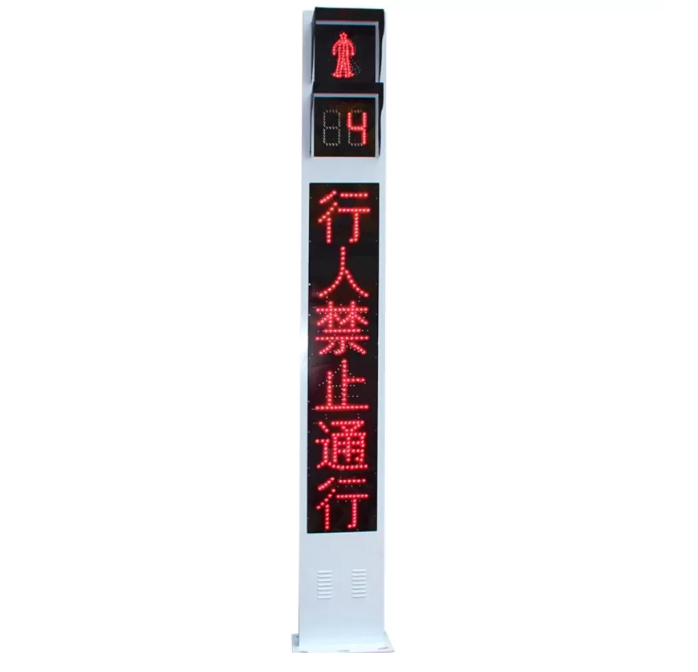
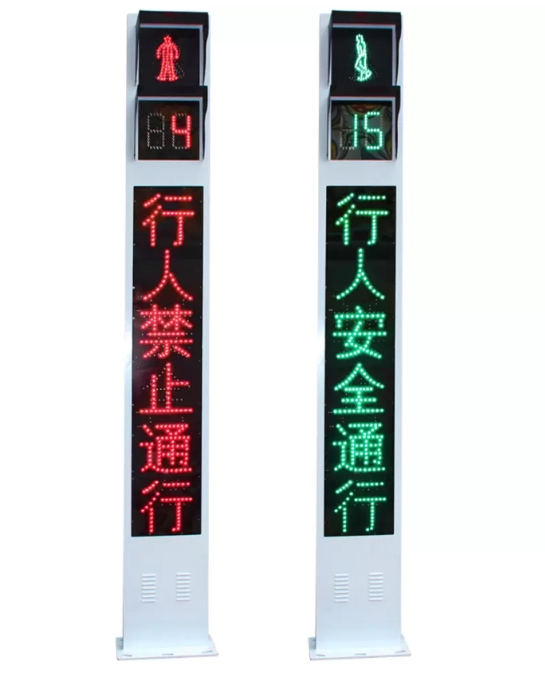
The module screen dynamically updates in real time to reflect current signal phases. Text, images, and simple animations on the screen follow the traffic light sequence, providing drivers and pedestrians with immediate, accurate information. This synchronization reduces reaction delays, improves compliance with signal changes, and minimizes the risk of intersection accidents.
Intelligent algorithms embedded in the control unit adjust the display in response to traffic flow variations, allowing the system to maintain synchronization even during peak traffic hours. This continuous alignment ensures that the module screen acts not merely as a supplementary display but as an integral part of the traffic signaling process.
Integrated Design Enhances Synchronization Accuracy
Highly integrated design is critical for effective real-time synchronization. By consolidating signal lights, control units, and display modules into a single enclosure, installation errors and wiring inconsistencies are minimized. Traditional discrete installations often experience slight timing discrepancies between separate components, which can disrupt signal synchronization.
The integrated unit reduces these risks by:
-
Eliminating inter-device delays caused by separate controllers
-
Allowing centralized control of both visual display and signal light sequences
-
Simplifying maintenance, ensuring calibration and synchronization are preserved over time
This unified approach guarantees that the module screen always mirrors the exact timing of the traffic light phases, enhancing driver awareness and improving traffic flow efficiency.
Intelligent Display Functionality
Module screens offer more than visual cues—they provide actionable, real-time information. During synchronized operations, the display can show countdowns, warnings, and directional guidance that align perfectly with the signal state. This feature is particularly beneficial in congested urban intersections, where even minor delays in driver perception can lead to traffic conflicts.
The editable display module supports dynamic content updates without affecting synchronization. For example, temporary alerts, roadwork notices, or traffic advisories can be integrated into the display while the real-time signal alignment continues uninterrupted. This ensures that information dissemination and traffic regulation remain seamless.
Construction and Operational Advantages
Real-time synchronization relies not only on control algorithms but also on the quality and robustness of the hardware. FAMA Integrated Traffic Lights feature high-grade sheet metal enclosures that are waterproof, dustproof, corrosion-resistant, and immune to electromagnetic interference. Such durability ensures that environmental factors do not disrupt signal timing or display functionality.
Furthermore, the integrated design reduces labor requirements and installation time, minimizing the risk of errors that could impair synchronization. Simplified installation, combined with centralized control, allows for rapid commissioning and ensures that synchronization is immediately functional after deployment.
Impact on Urban Traffic Efficiency
By ensuring precise real-time synchronization, integrated traffic lights with module screens optimize urban traffic flow. Coordinated signals and displays help reduce unnecessary stops, prevent congestion, and enhance pedestrian safety. Traffic engineers can rely on these systems to monitor intersections more effectively, adjusting signal timing dynamically while maintaining synchronization across all display elements.
The benefits extend to operational efficiency: centralized control and monitoring reduce the need for frequent manual recalibration, lowering maintenance costs and ensuring that synchronization remains consistent over long periods.
FAQ
Q1: How does the module screen maintain synchronization with signal phases?
A1: Through intelligent controllers that continuously monitor and adjust the display to match real-time signal timing.
Q2: Can synchronization be affected by environmental conditions?
A2: No, the robust construction of integrated traffic lights ensures stable operation under diverse conditions, including rain, dust, and electromagnetic interference.
Q3: Does integrated design reduce installation errors?
A3: Yes, consolidating signal lights, control units, and module screens minimizes wiring discrepancies and calibration issues, ensuring accurate real-time synchronization.
Q4: Are content updates possible without affecting synchronization?
A4: Yes, the editable display module allows dynamic content updates while maintaining alignment with traffic signal phases.
Conclusion
Integrated traffic lights with module screens represent a significant advancement in urban traffic management. By combining intelligent control, durable construction, and real-time synchronized displays, these systems enhance traffic flow, improve safety, and reduce operational complexity. FAMA Traffic, with its recognition as The Leading Enterprise In China's Traffic Signal Lights Industry, provides solutions that ensure small urban intersections operate efficiently, reliably, and in perfect synchronization, setting a new standard for intelligent traffic control.
https://www.fama-tech.com/
Yangzhou FAMA Intelligent Equipment Co.,Ltd